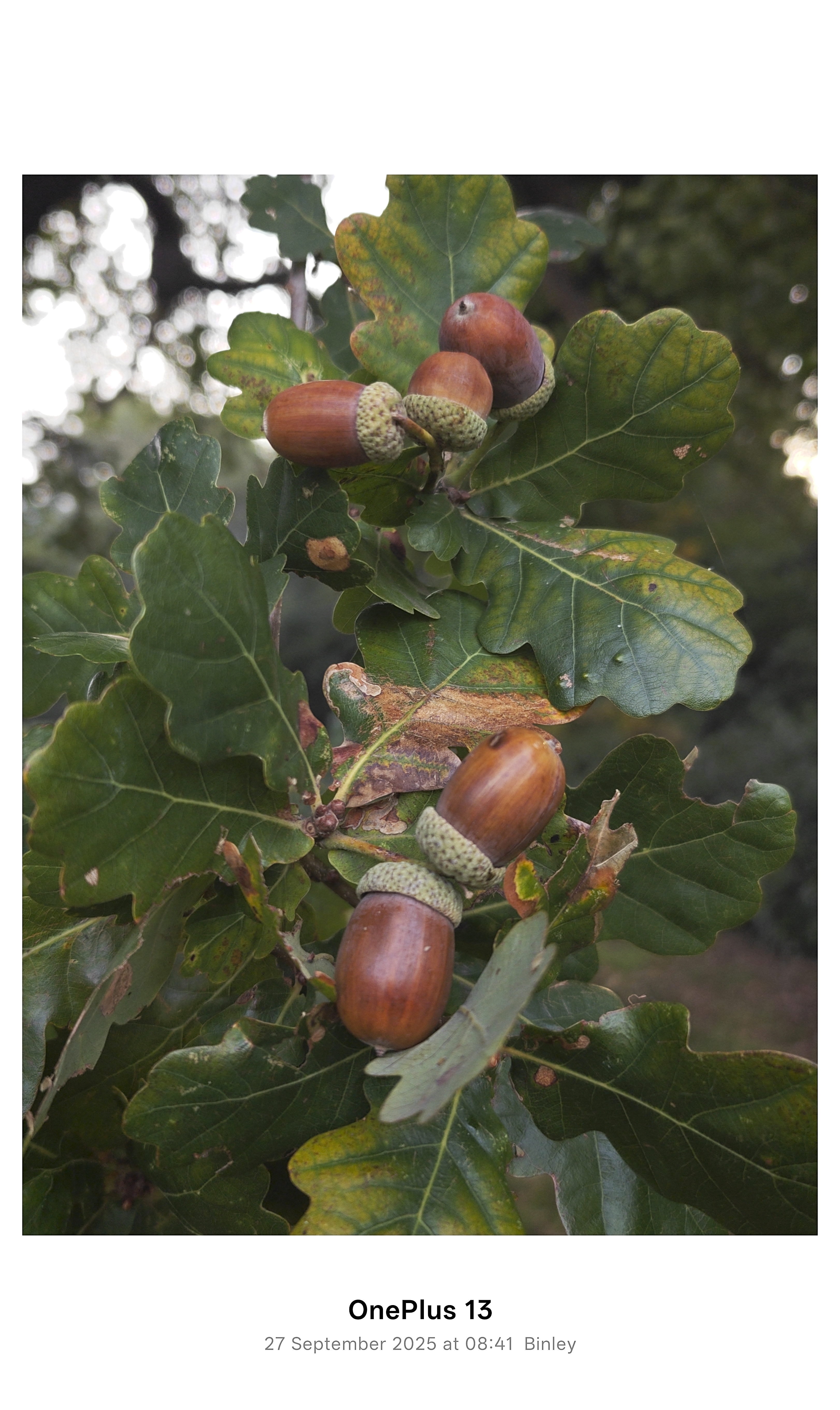
I’m coming very late to the phone photography party. Always been sniffy about it and never enjoyed the experience of using the phone to take photographs as much as using a camera. However, when I finally bought a mobile with a half decent camera and some ability to manually control what it does, I’ve realised I need to rethink.
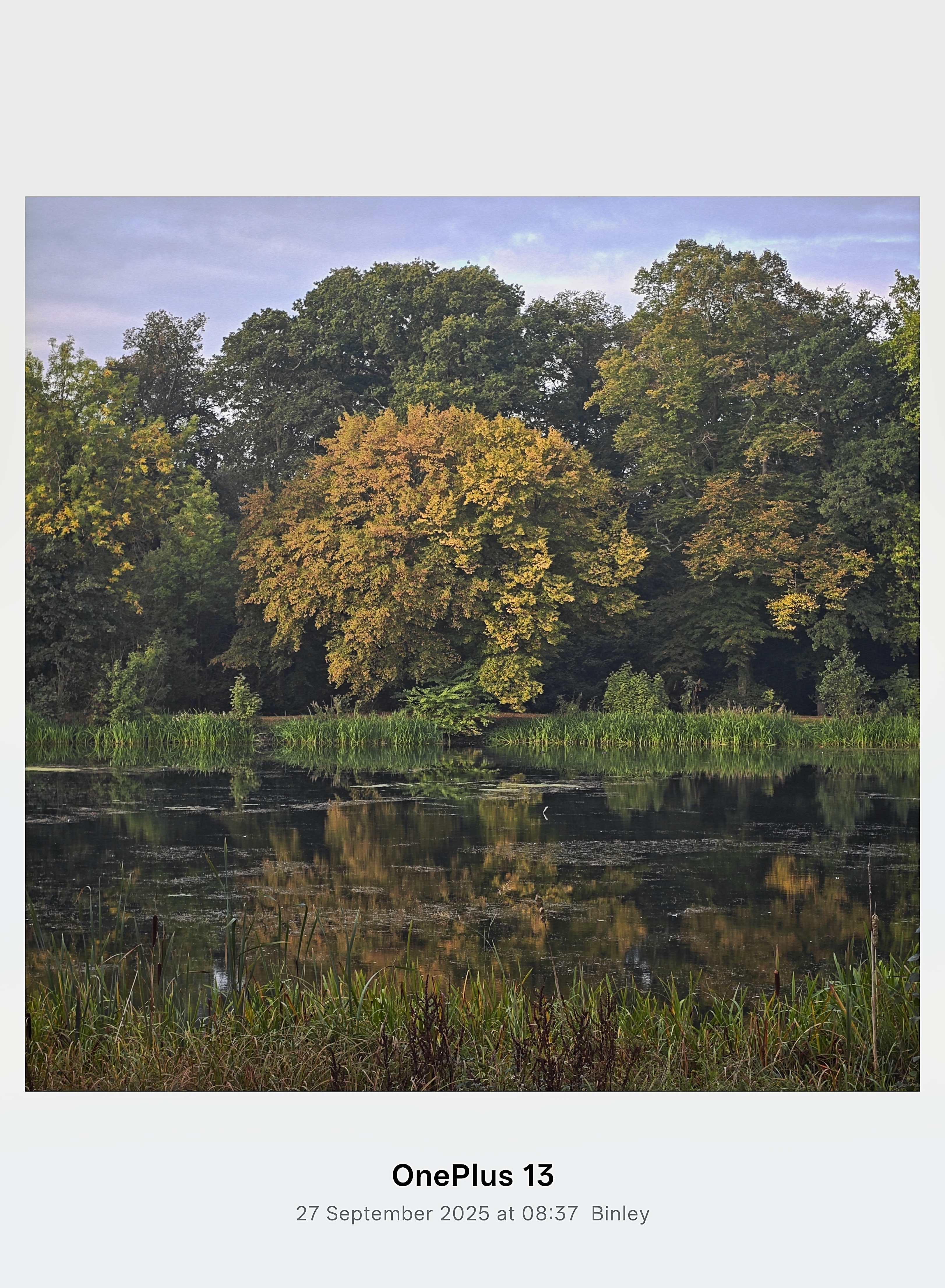
So here are some early attempts from my everyday carry. No more compact camera – there doesn’t seem to be an awful lot of point – although the phone photos still look pretty messy at higher ISOs as soon as you view them at larger sizes (which you very rarely actually need to do).
I’ve rather surprised myself by finding phone-snapping rather liberating. Even fun. I wouldn’t want to rely on it for anything critical or important, but I think in a funny sort of way, the phone is likely to get encourage me to do more photography than my camera.
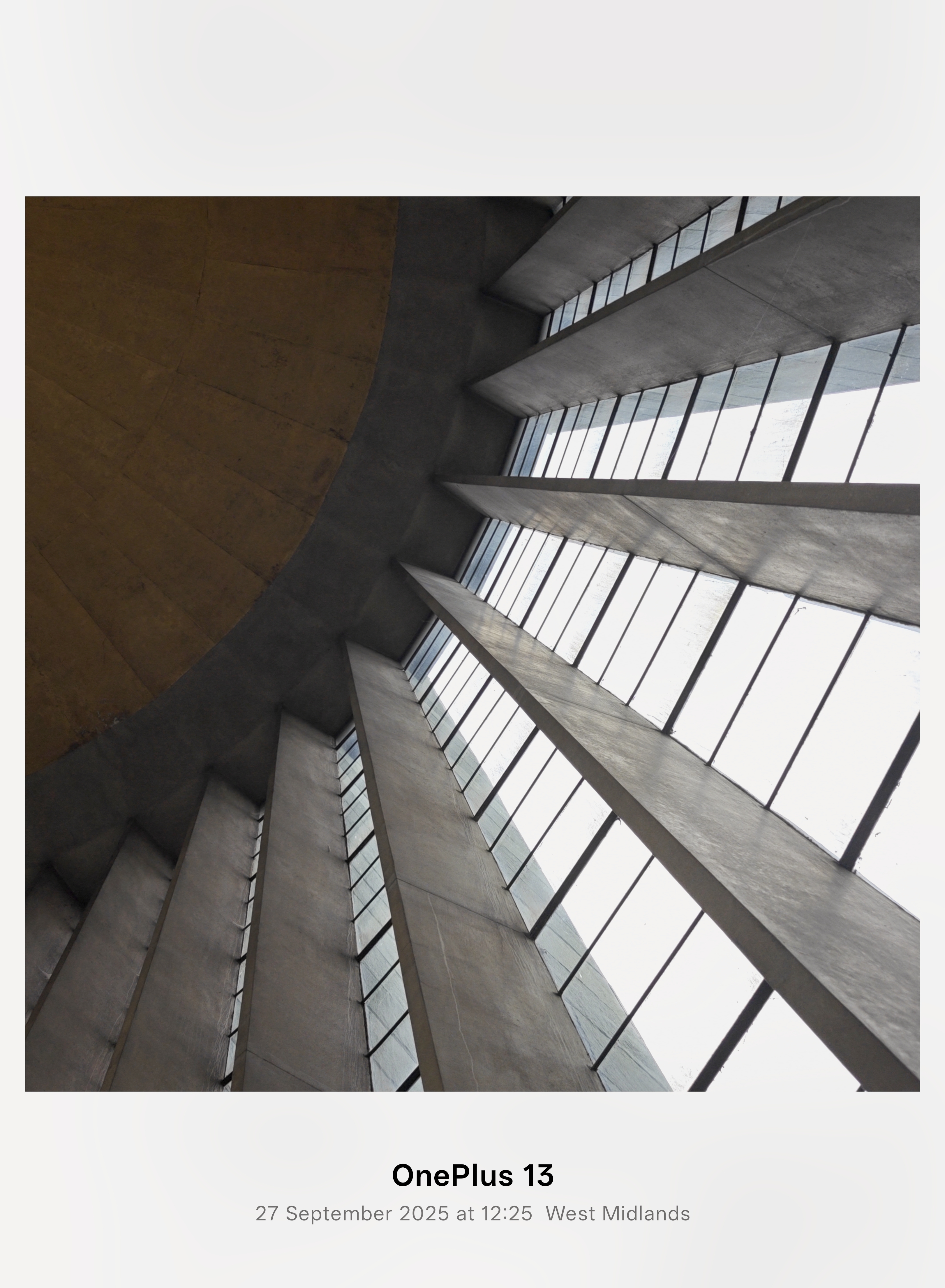
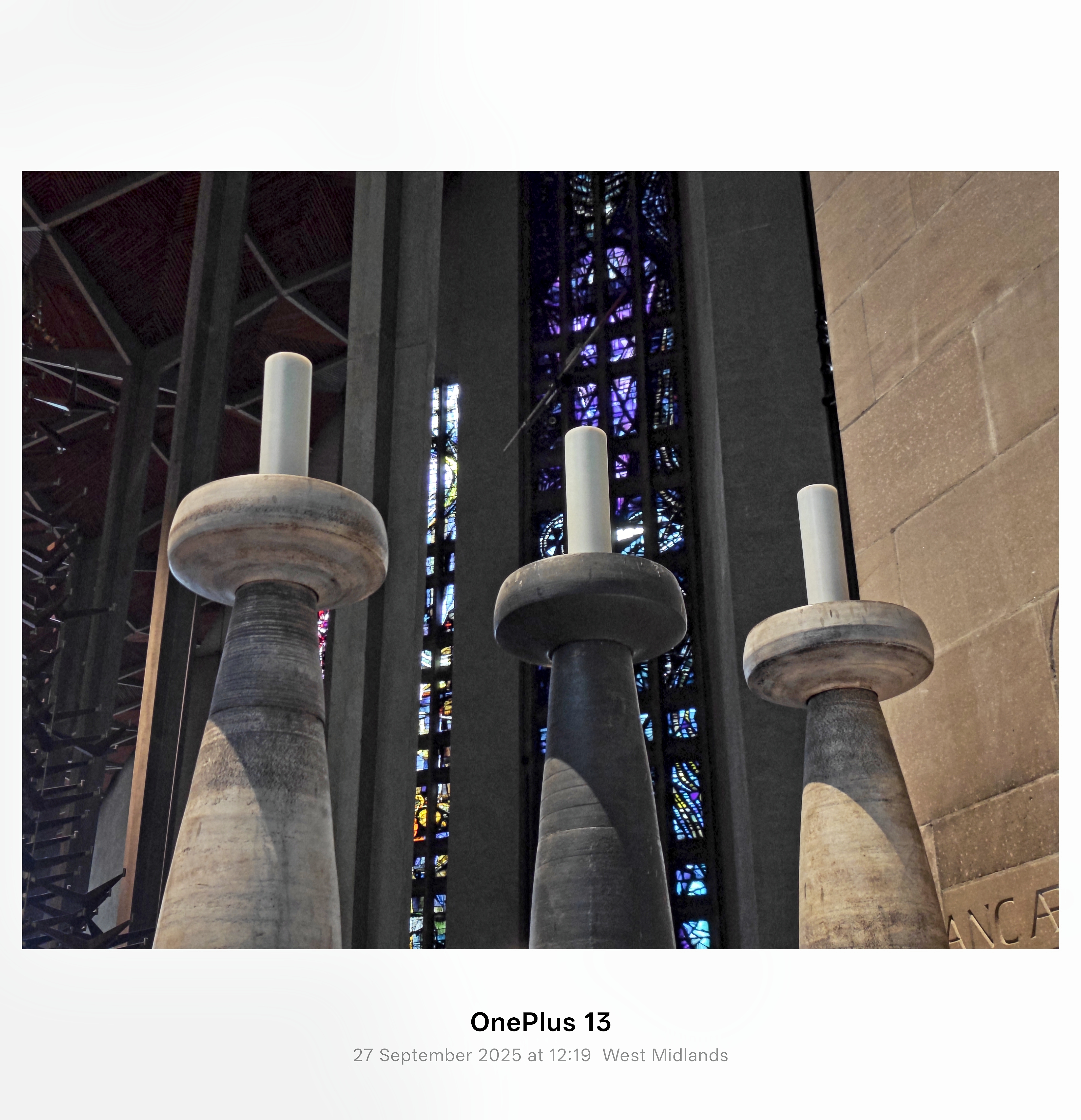
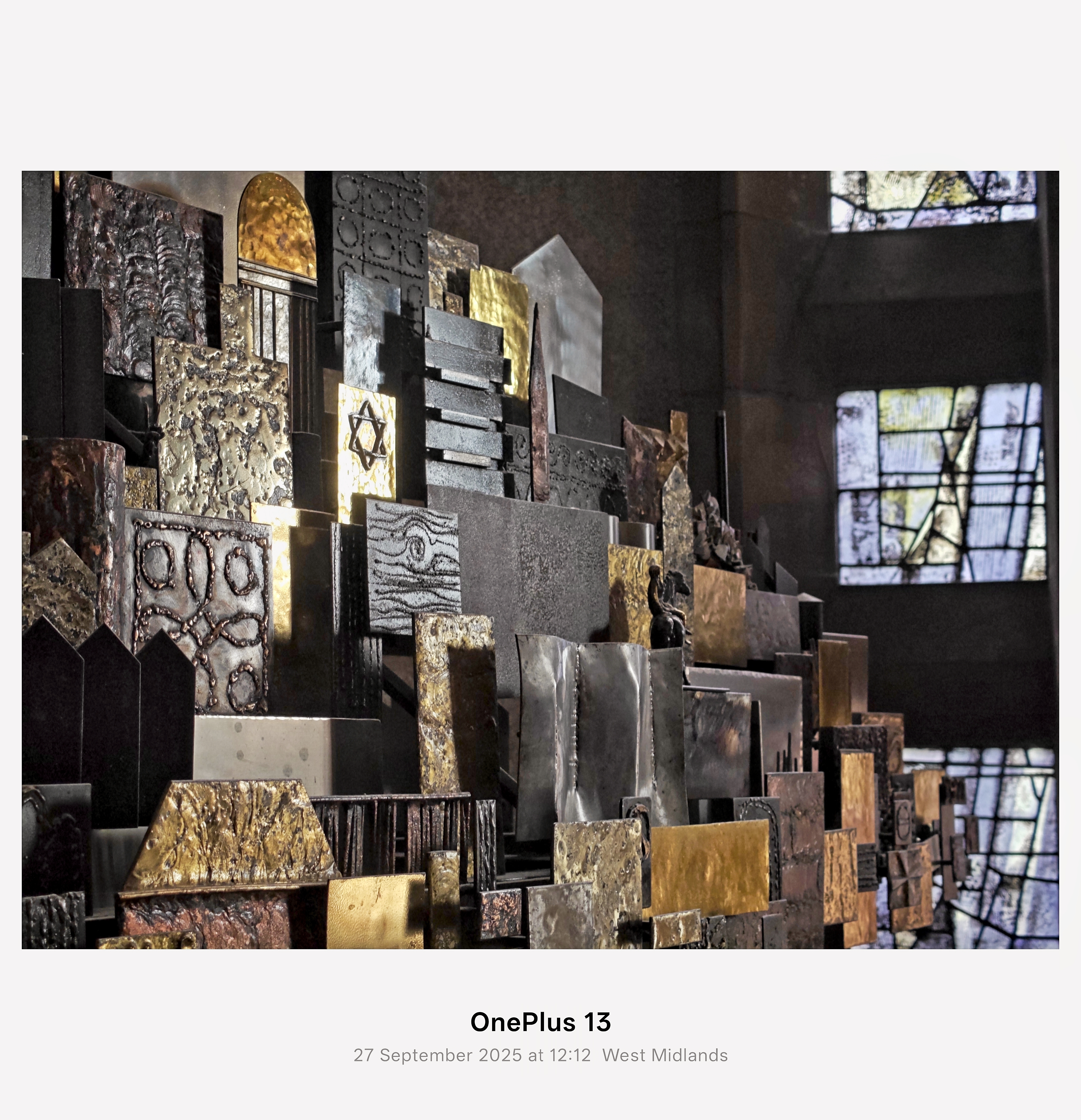
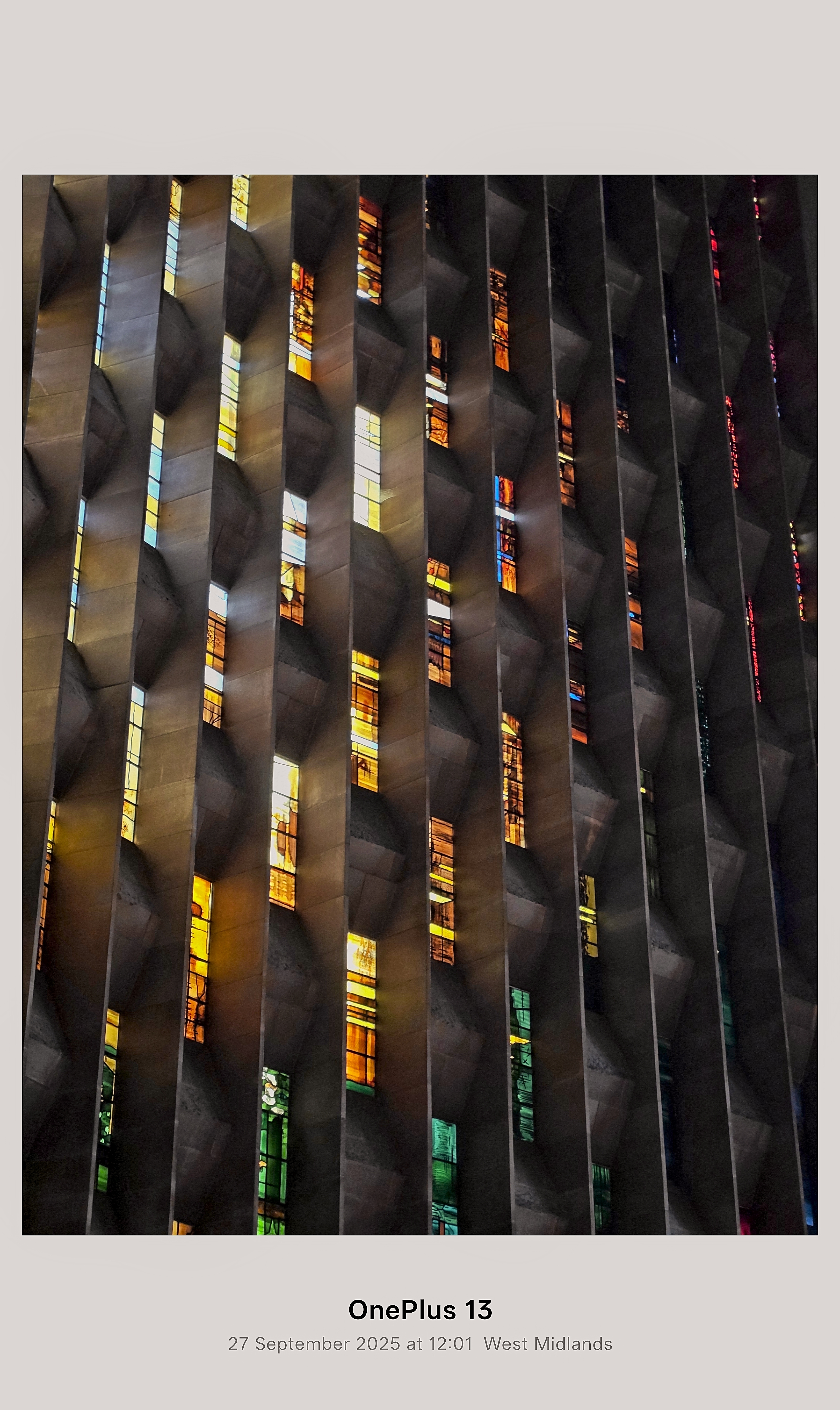
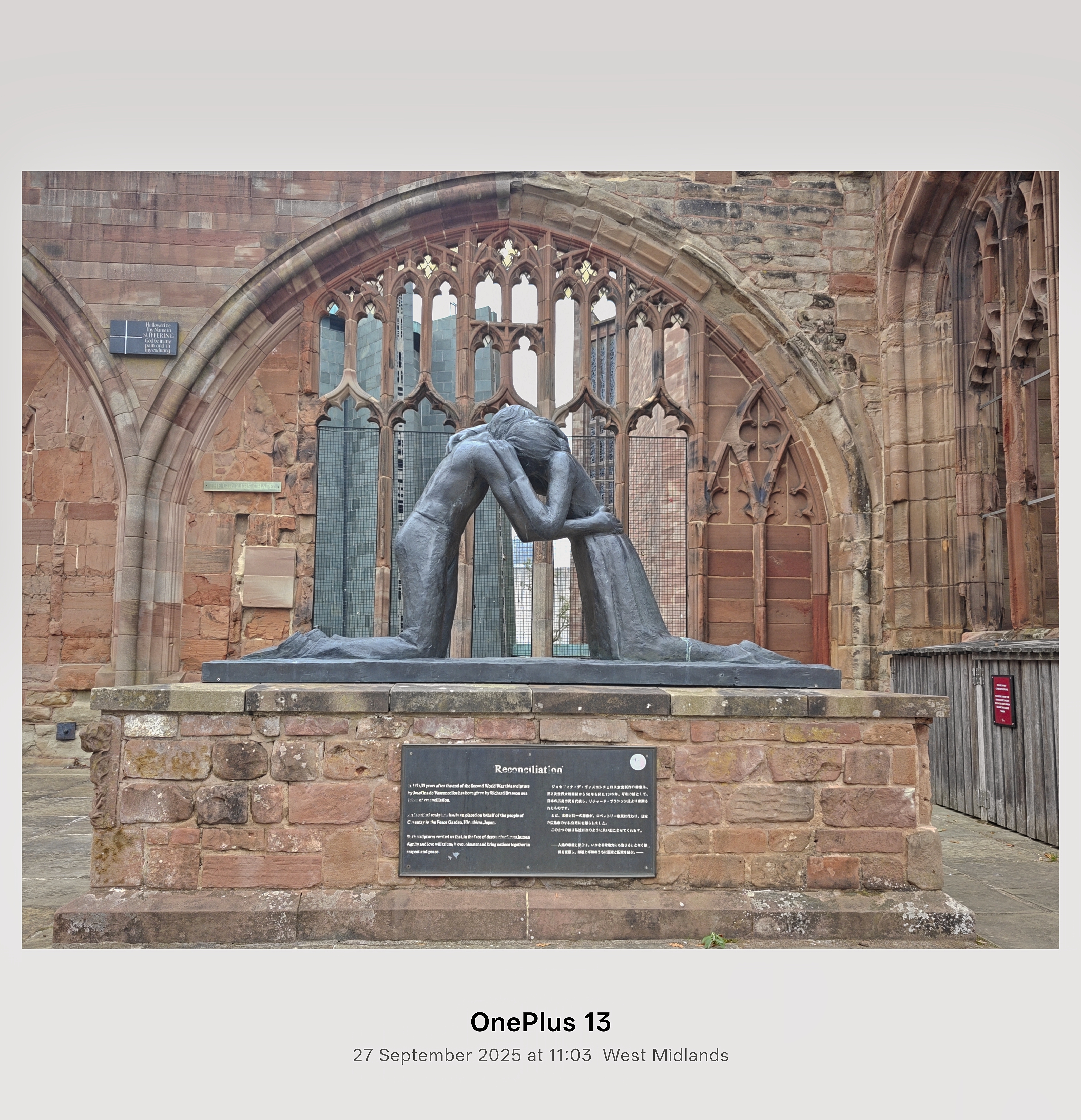
Some images above from a recent visit to the spectacular Coventry Cathedral. Click to see them larger
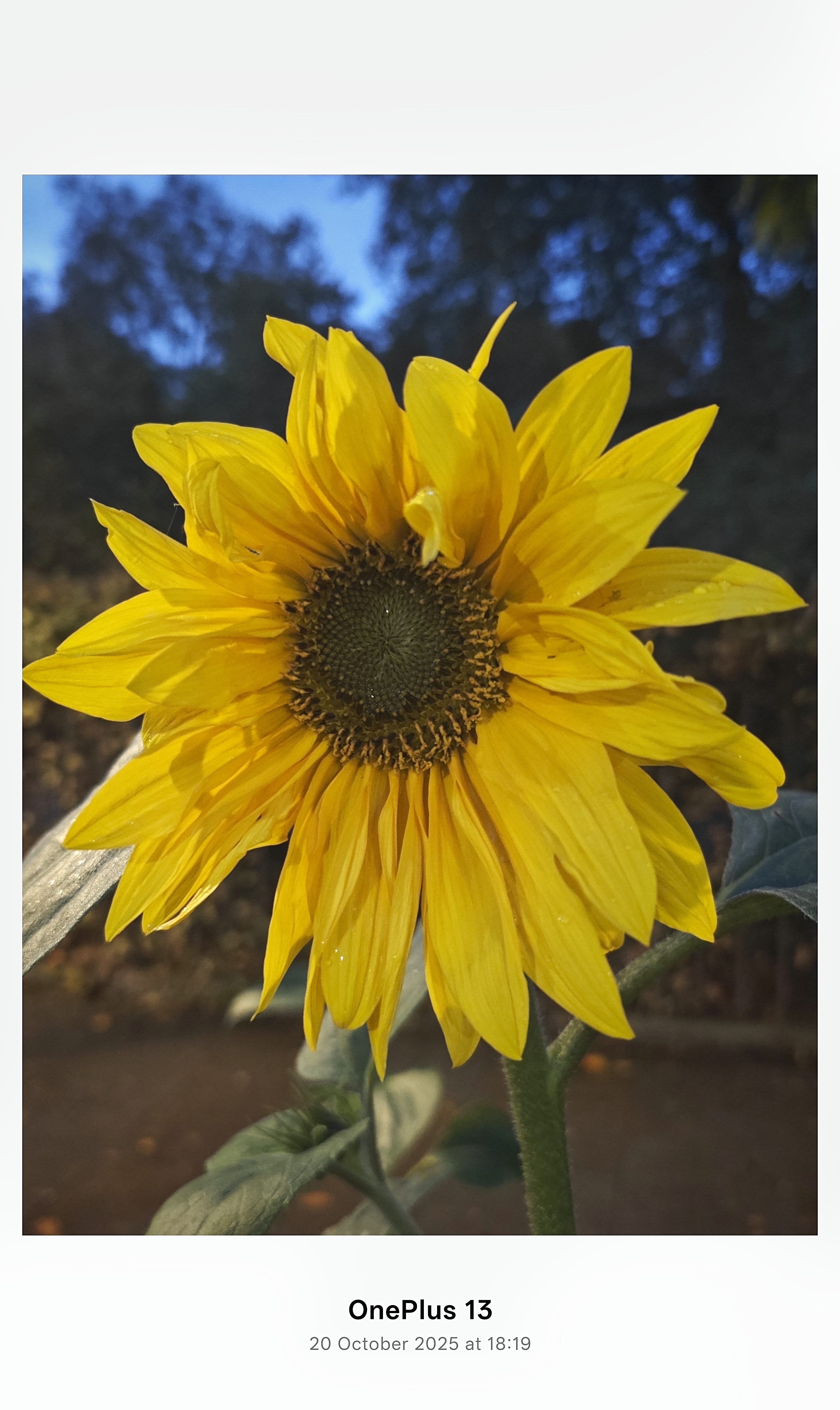
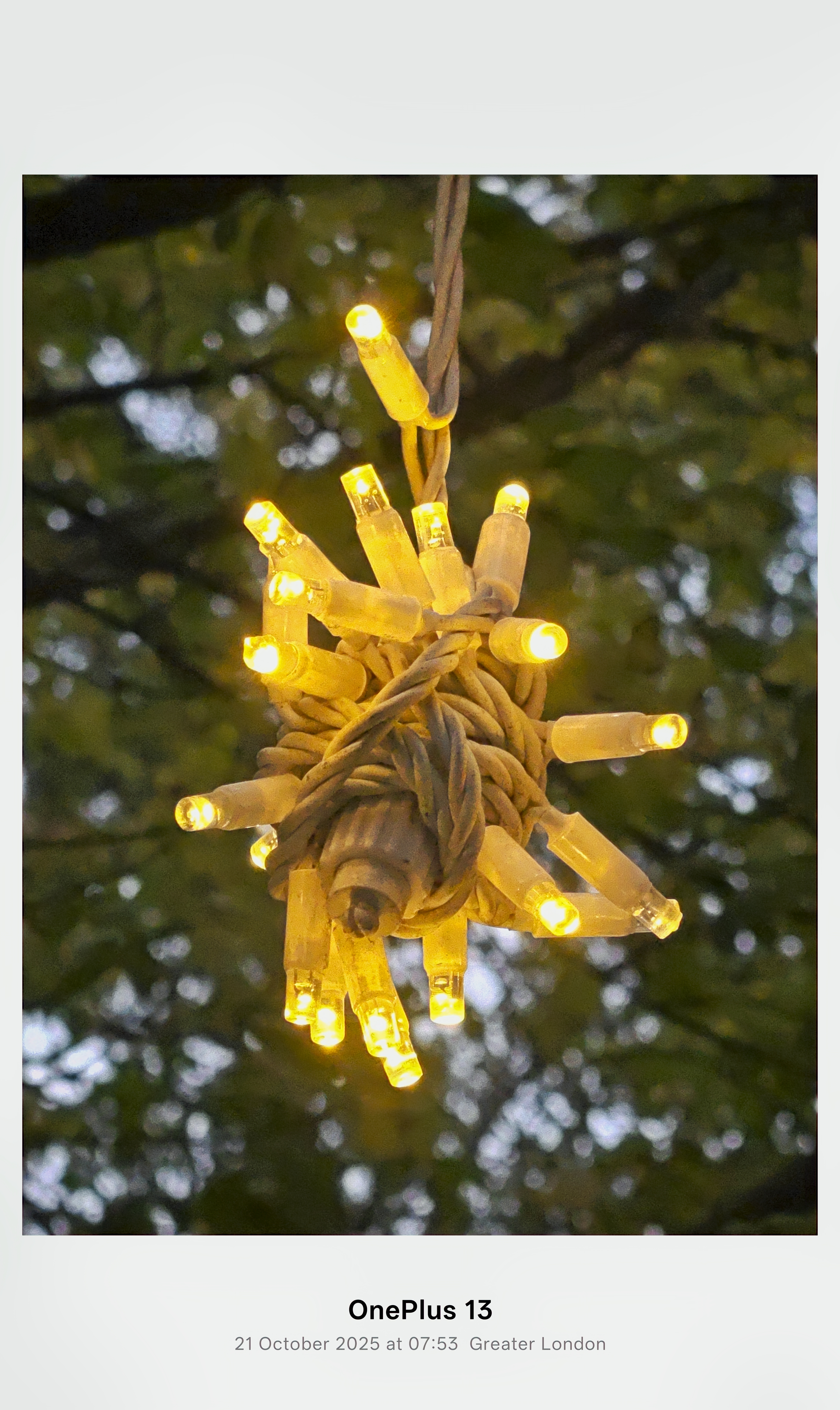
Taken in poor light – the phone did OK with thisISO1000 – taking phone photos of objects swinging in the wind is not so easy!
So there we have it – the mobile phone – aka the air-fryer of modern photography; it’s never going to give gourmet results, but it will produce something semi-decent quite a lot of the time.
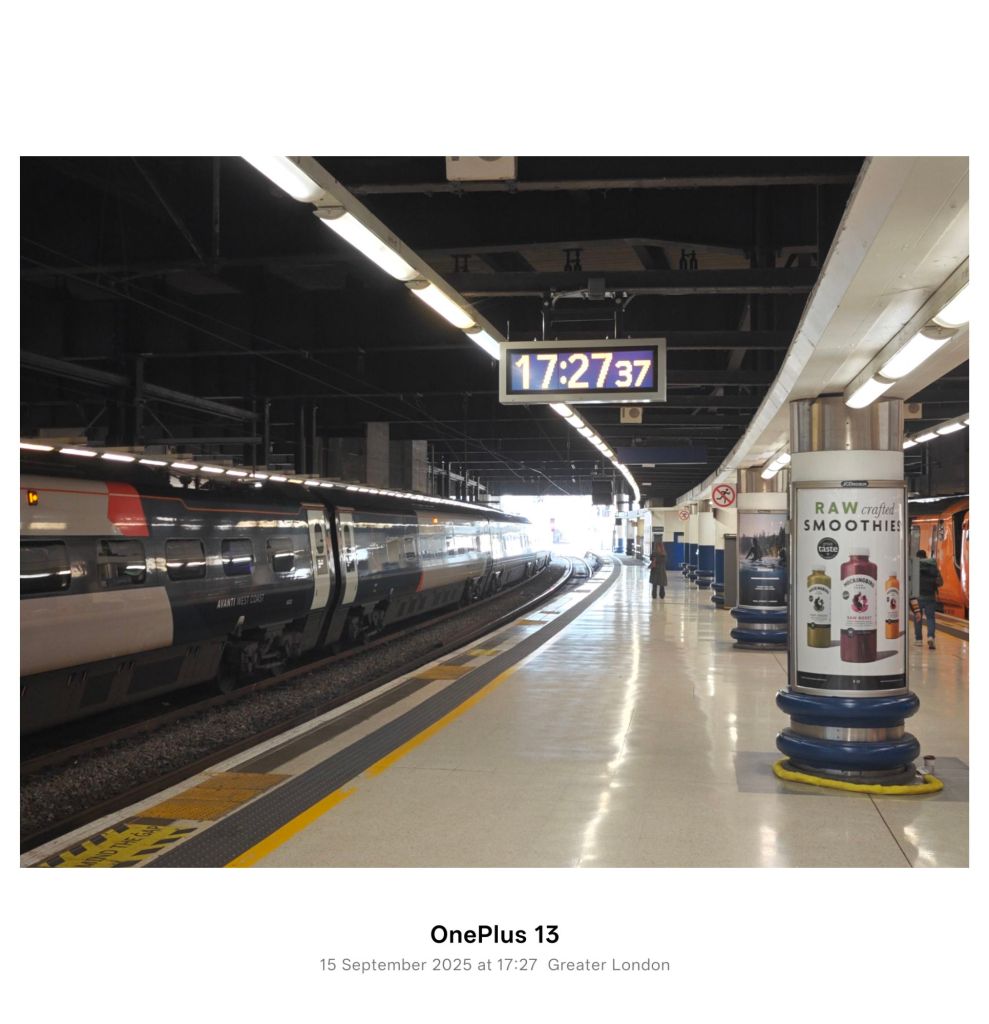
It’s been an age since I last put anything here. Wonder if that means there’ll be at least three posts in a row now? Phone photo on the way home yesterday afternoon:
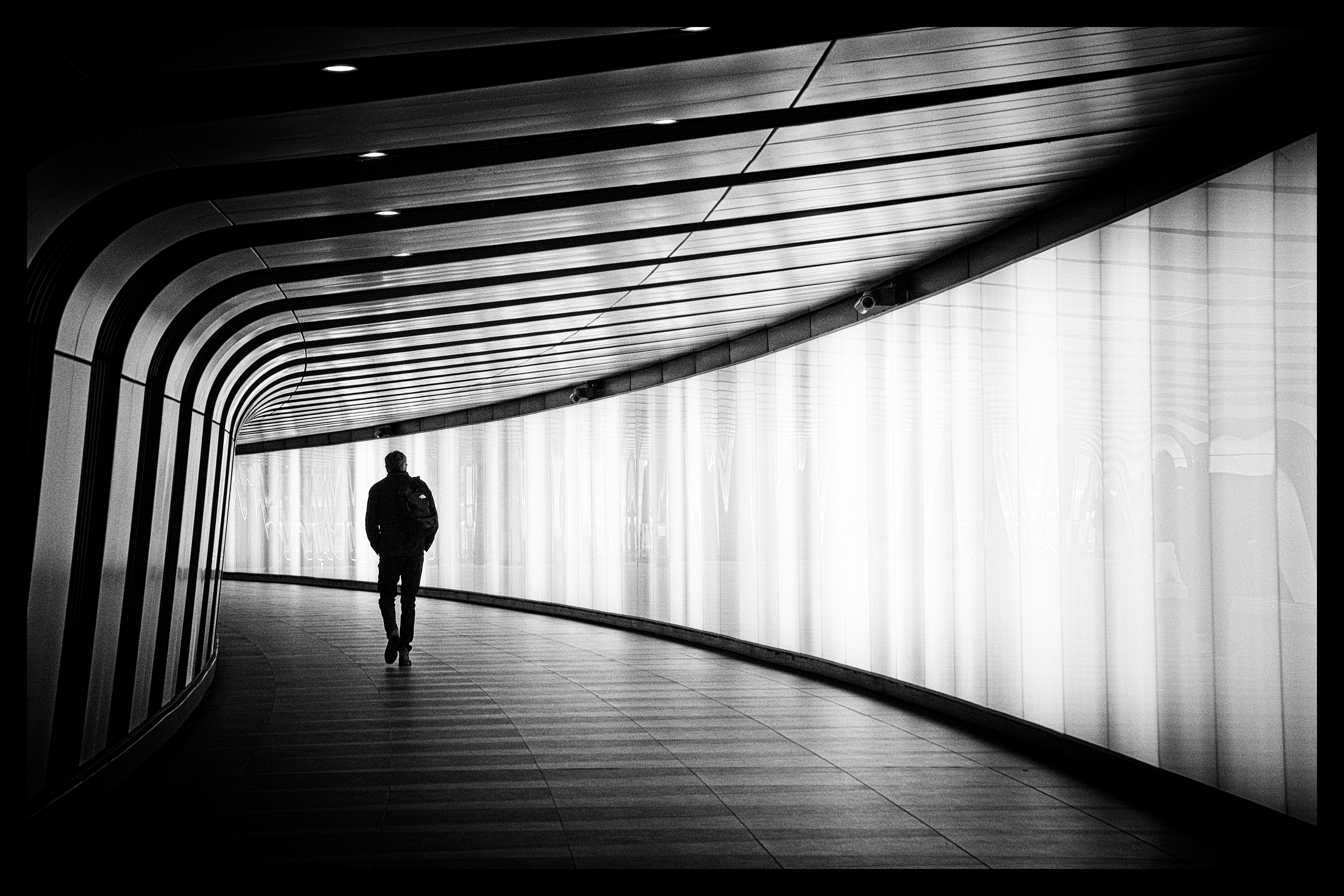
The often-photographed King’s Cross / St Pancras link tunnel. Nearly always seen in colour as the wall is multi-coloured with constantly changing lights, but the very dynamic architecture was saying black and white this time!
I’ve owned a Sony RX100 iii camera for years and never quite gelled with it. It’s an astonishingly powerful little thing which produces great images under even quite difficult conditions. And it has all the handling qualities of a wet bar of soap. The physical controls are incredibly fiddly, especially if you don’t have a particularly delicate build (hmm, that would be me). But I think I’ve been a little unkind on this little photo-bomber because a concerted effort to use it more has made me really appreciate just how good it actually is. Even more so with the more recent and upgraded models (recent being a relative thing, as I don’t think Sony has upgraded the RX100 over the past 4 years at the time of writing).
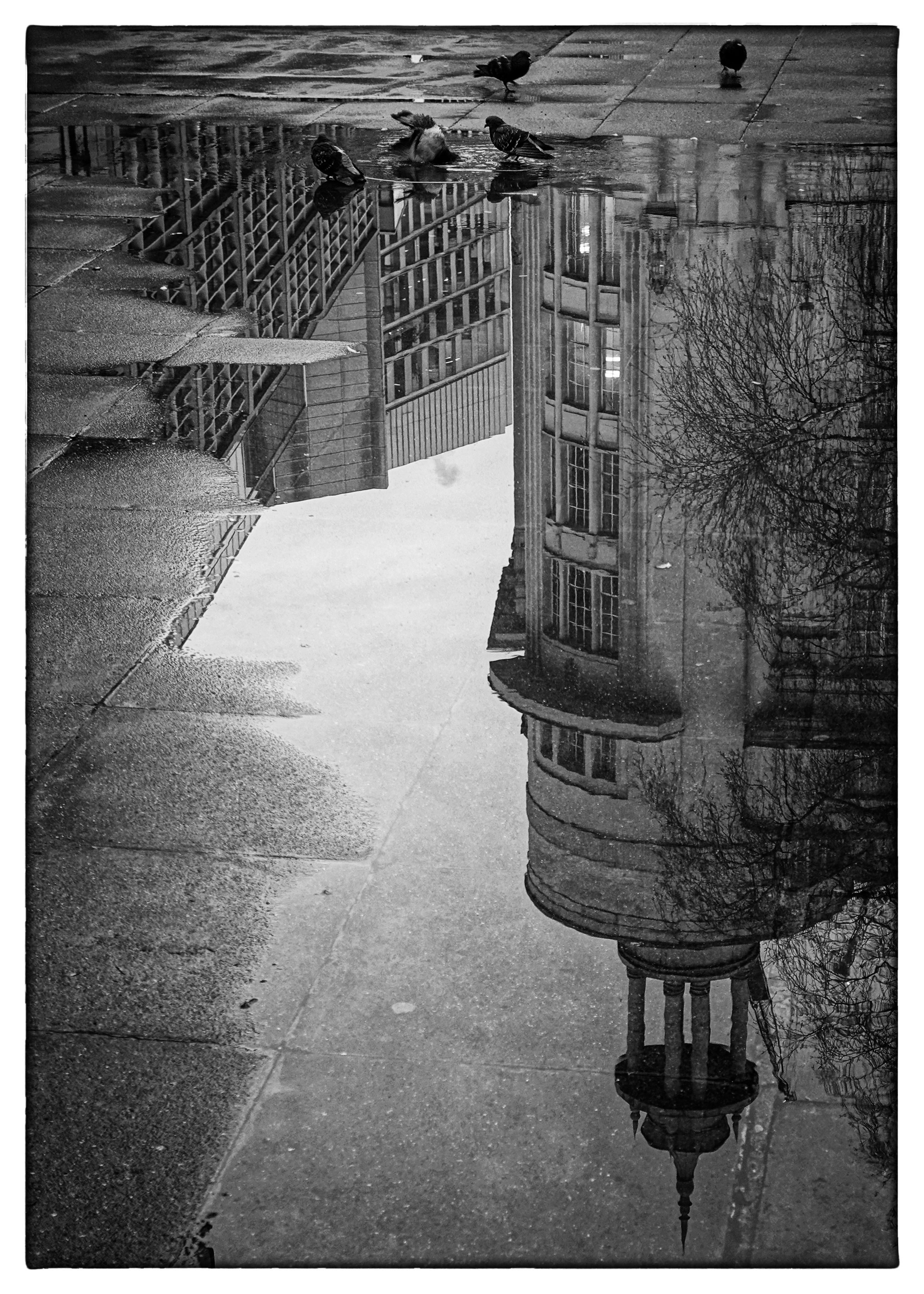
It is an actual crime to walk past puddles in London without trying to use them to take a photo. This was a rich tone mono JPEG with a few further tweaks in SilverEfex
Moving from the III to the VA, with its better EVF and more confident autofocus system has certainly helped. The My Menu option in the newer models is very useful – an easy place to store most of the settings you’re most likely to change, without digging through an alien menu system with stuff seemingly scattered haphazardly to try and make you just use the camera in point and shoot mode because anything else is simply too much effort.
Combining My Menu with using the Memory Recall settings on the main dial makes the camera much easier to use – I have three sets of settings ready to go: MR1 is Av mode, raw images with auto ISO up to 1600. MR2 is the same, but in M mode. MR3 ups the ISO to 3200 and switches to the Rich Monochrome JPEG mode (great for poor light as it blends three exposures into one combined image with great dynamic range and reduced noise).
Talking of ISO, the camera might have a comparatively small sensor but it’s more than usable up to ISO1600, and I’d go up to 6400 at a push – especially if combined with the latest AI software like DXO PureRaw 3, which cleans the files up incredibly well. Thankfully the fast f1.8/2.8 lens means those kind of high sensitivity levels are rarely necessary – especially as, even wide open, there is quite a lot of depth of field because of the relatively small sensor. Dynamic range is also surprisingly good in the raw files, which can take quite a lot of punishment.
Not a camera for the bokeh addicts though – it’s finicky if you try and focus close (it really isn’t much of a macro shooter and the AF gives up even when you can get it there with manual focus), the onion ringing in specular highlights is pretty unpleasant, and you really aren’t going to get buttery smooth backgrounds with this combination of lens and sensor.
But that misses the point really – it’s not a camera that is going to rival everything that an ILC can do, but it is one that can cover the vast majority of bases very well. Well enough that it’s the only camera I’m going to be taking on an upcoming week away in Cyprus – I think it will be more than up to the job, especially after fitting the additional Sony AG R2 grip which really ought to be supplied as standard (and which makes improves the handling immeasurably) and as long as it is accompanied by many spare batteries as they are so tiny! Thankfully the previous owner of my recently-purchased as-new VA had bought quite a few of those before he realised he wasn’t actually going to use it!
Signs of life emerging from my rhubarb crumble patch 🙂
All in all, a rather long-winded way of saying the best camera is the one you have with you, and it’s worth getting to know it pretty well because once you can forgive its foibles, you might learn to love it!
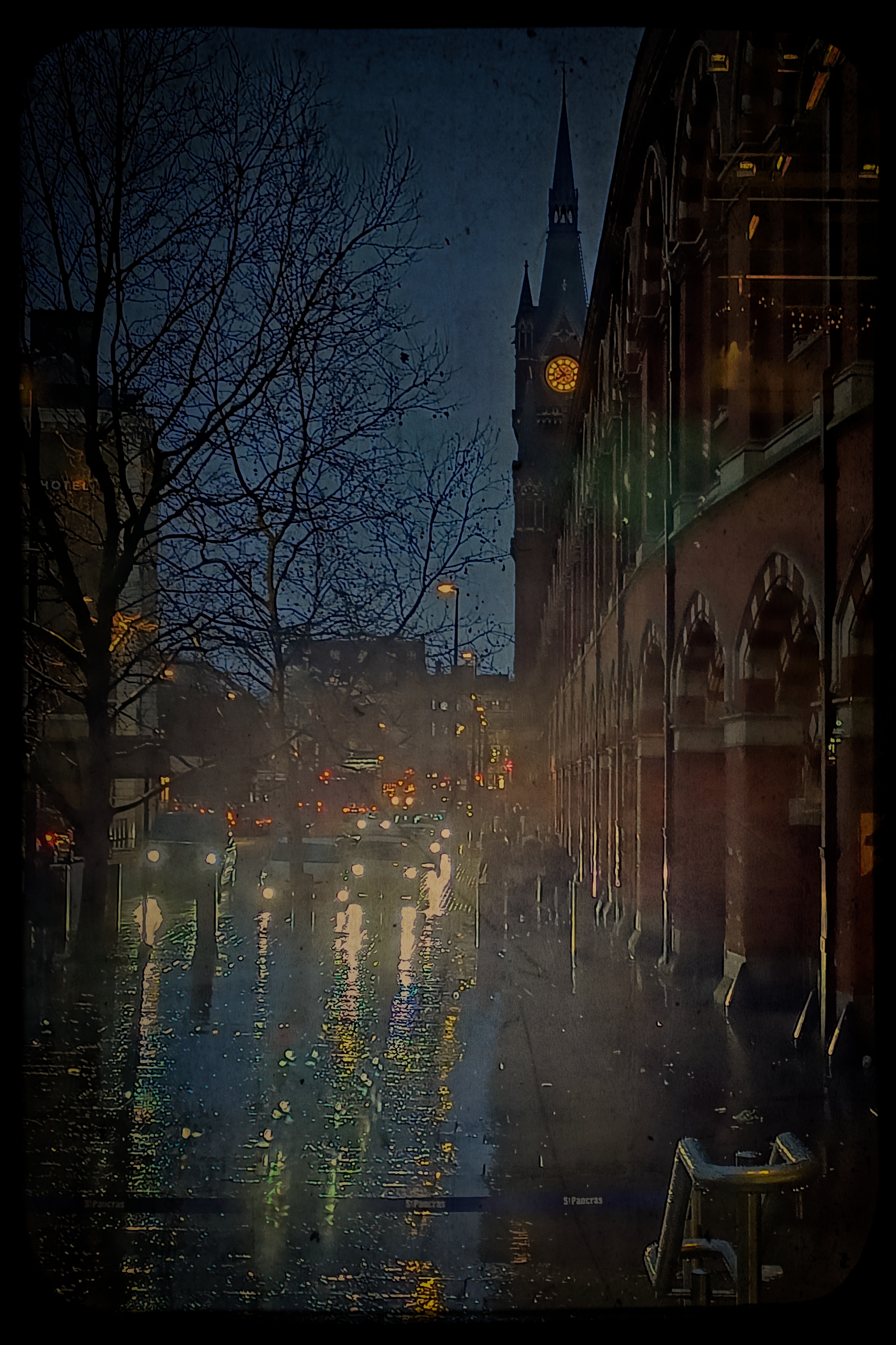
First (and so far pretty much only) photo of the year, using aging phone with terrible camera on my first day back to work (2 January). Early morning leaving St Pancras Station as I headed into London.
I very rarely use the phone for photos (and dislike doing so intensely); looked at in any kind of detail, the original file for this one looks awful but it’s a cheap phone that’s not noted for its photo capabilities. I can understand why people spend a small fortune on better phones to get decent results, especially now that good point and shoots are pretty much a dead market aside from a handful of high end offerings. But it just doesn’t feel the same…..
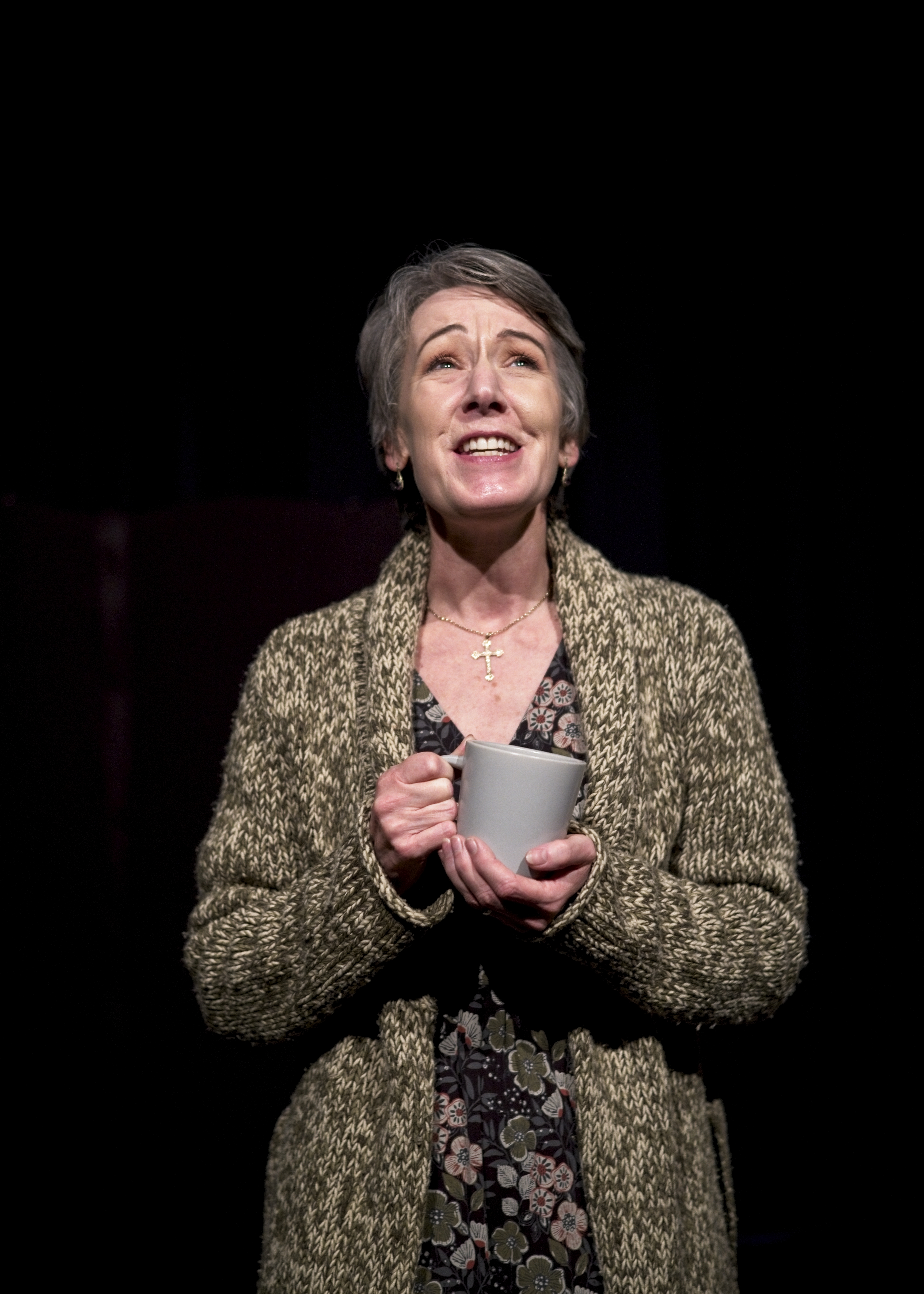
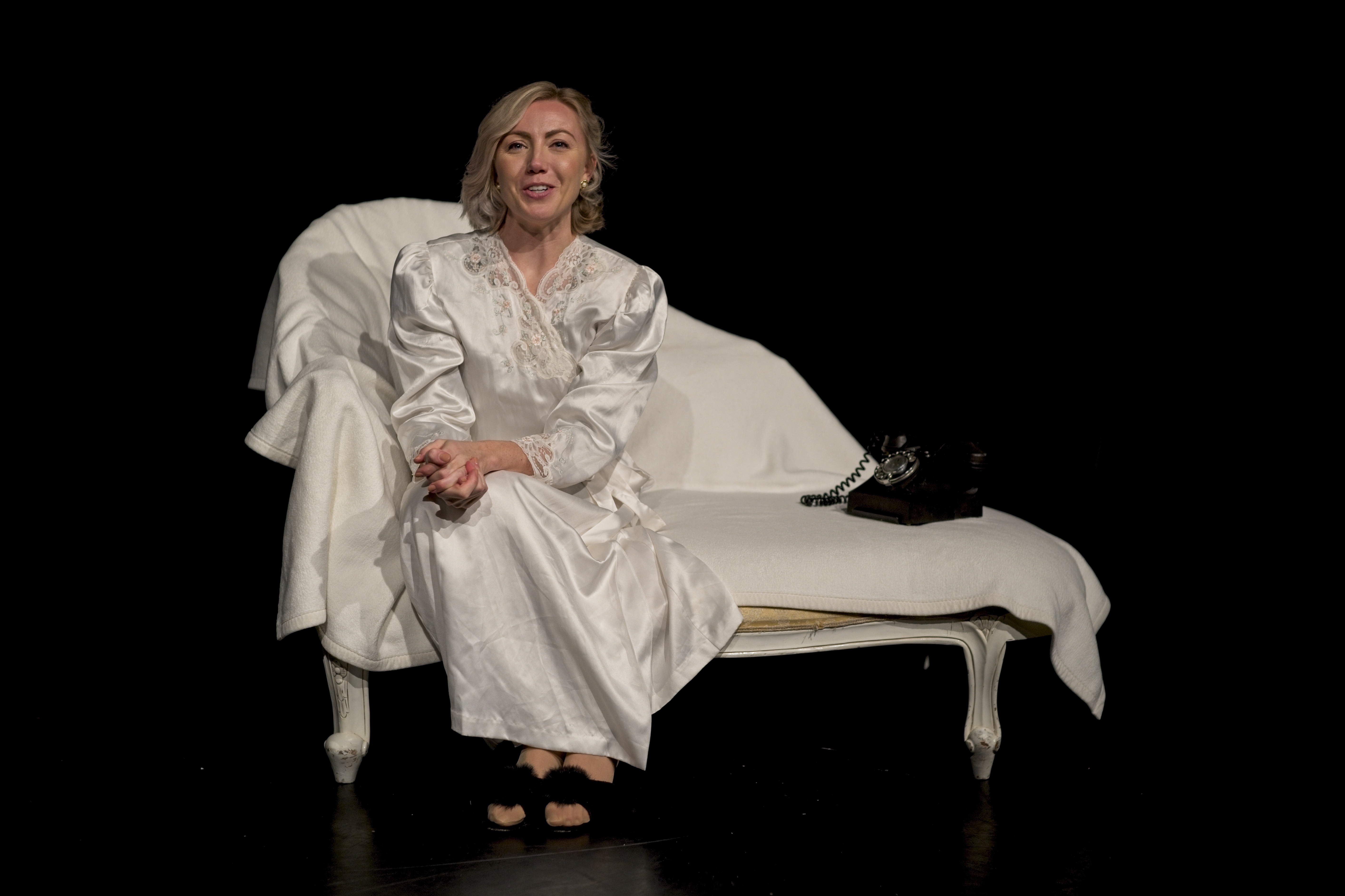
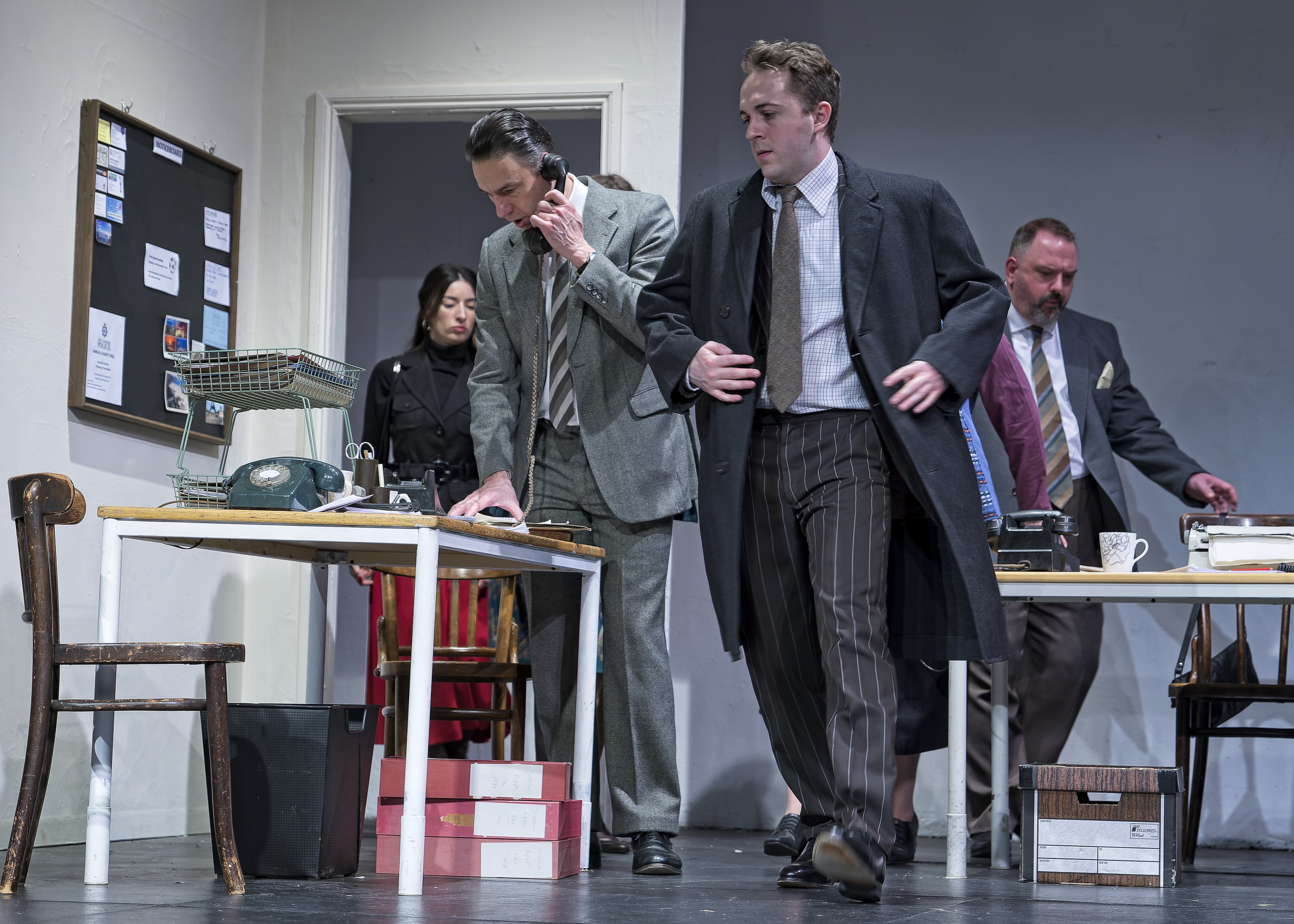
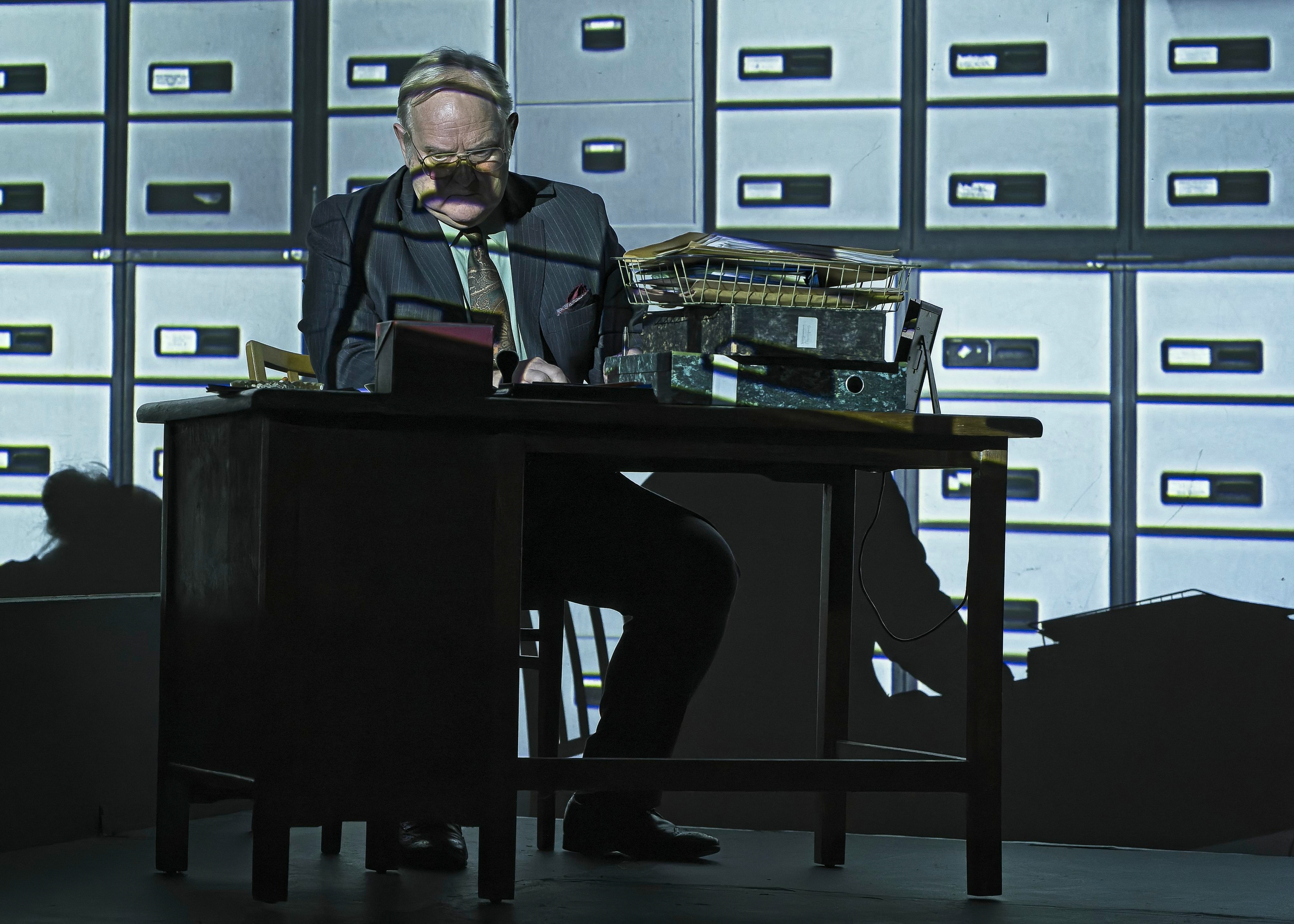
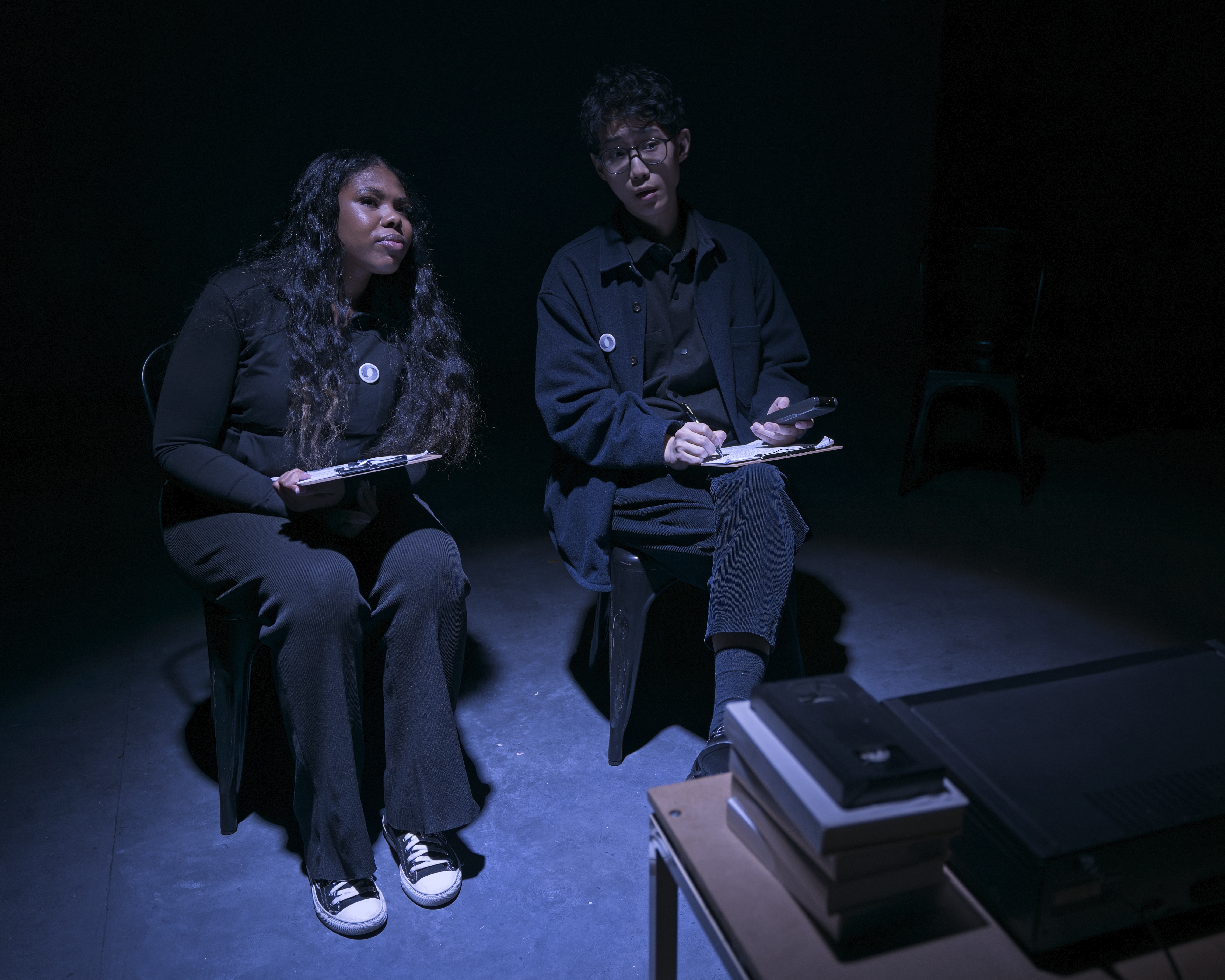
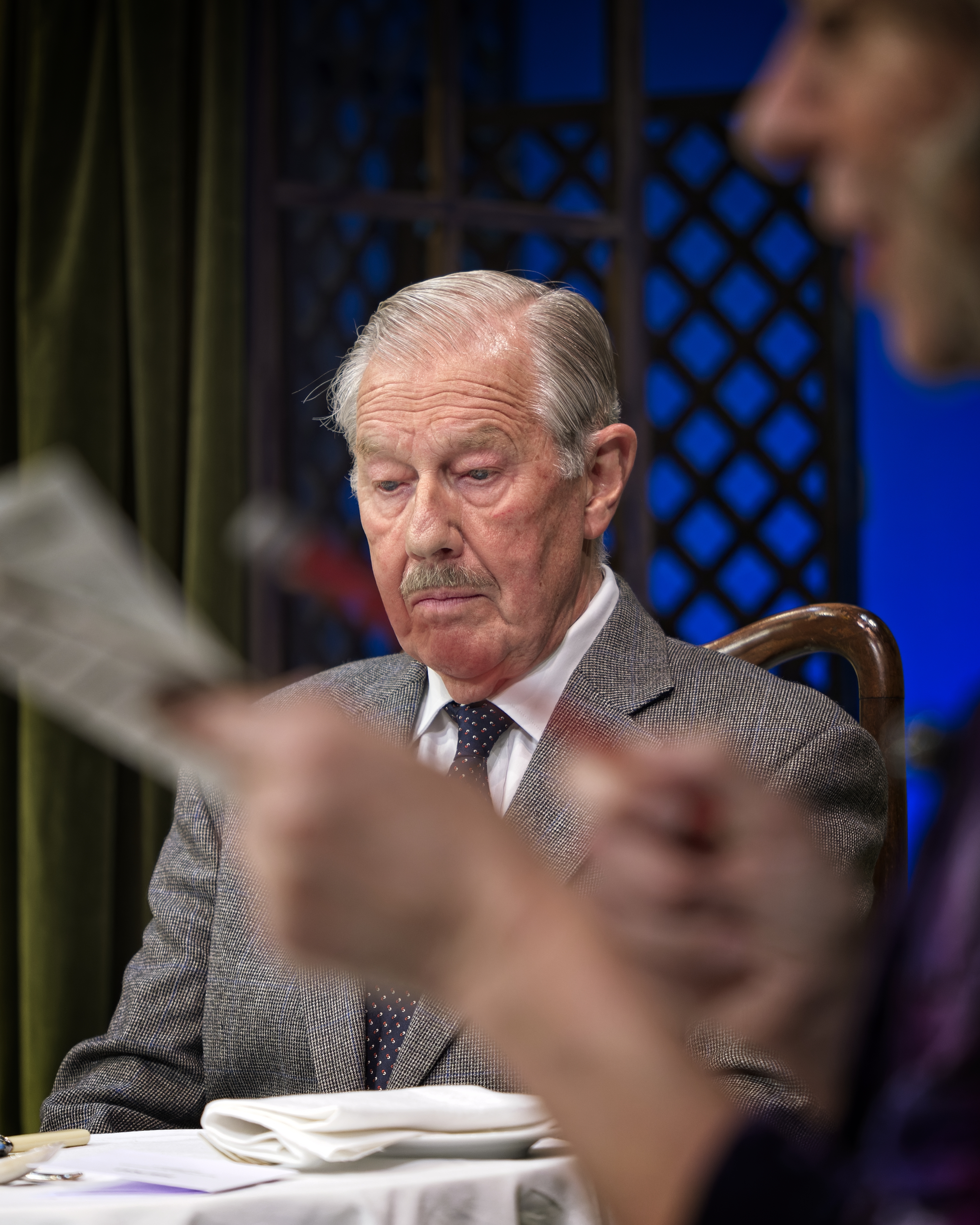
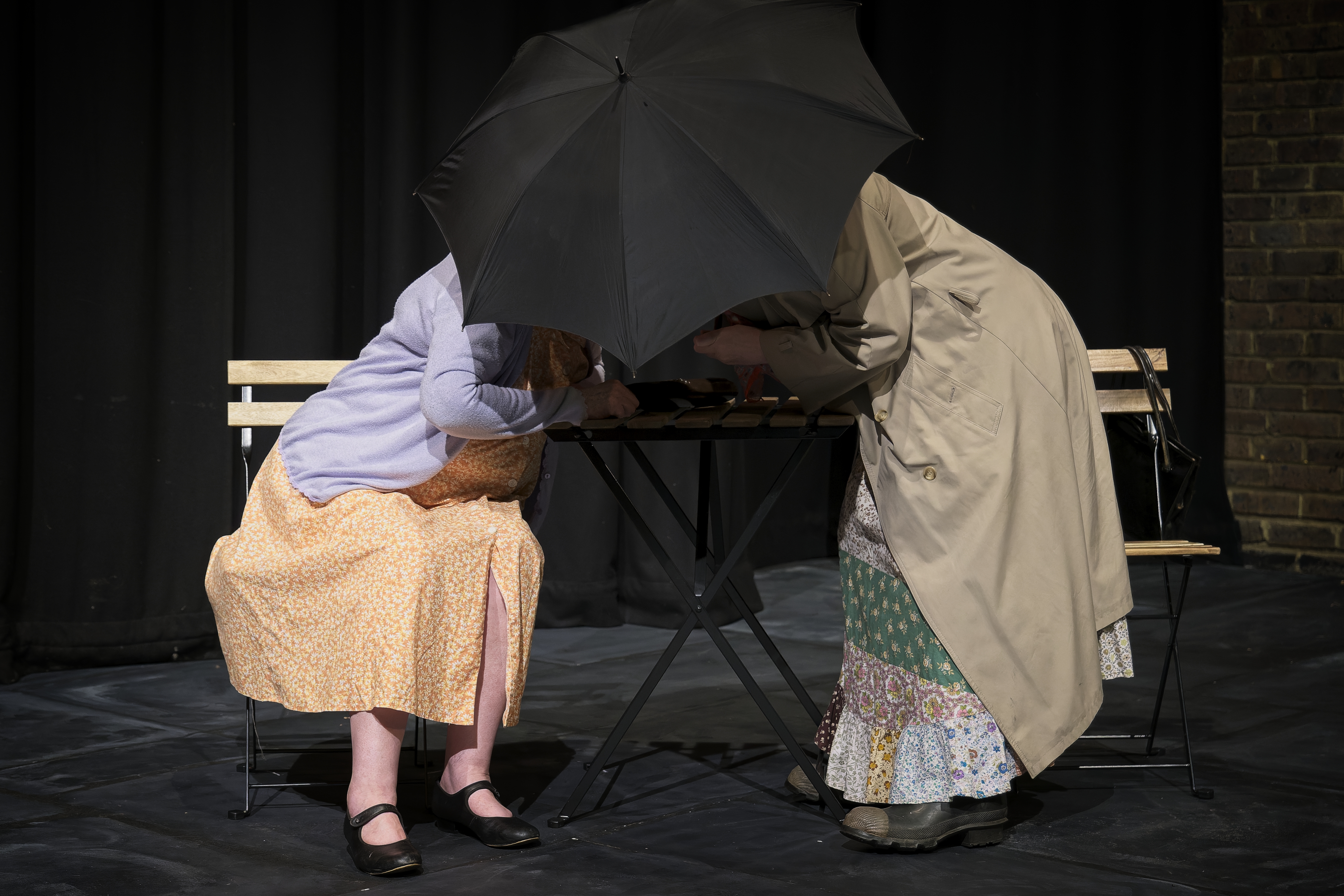
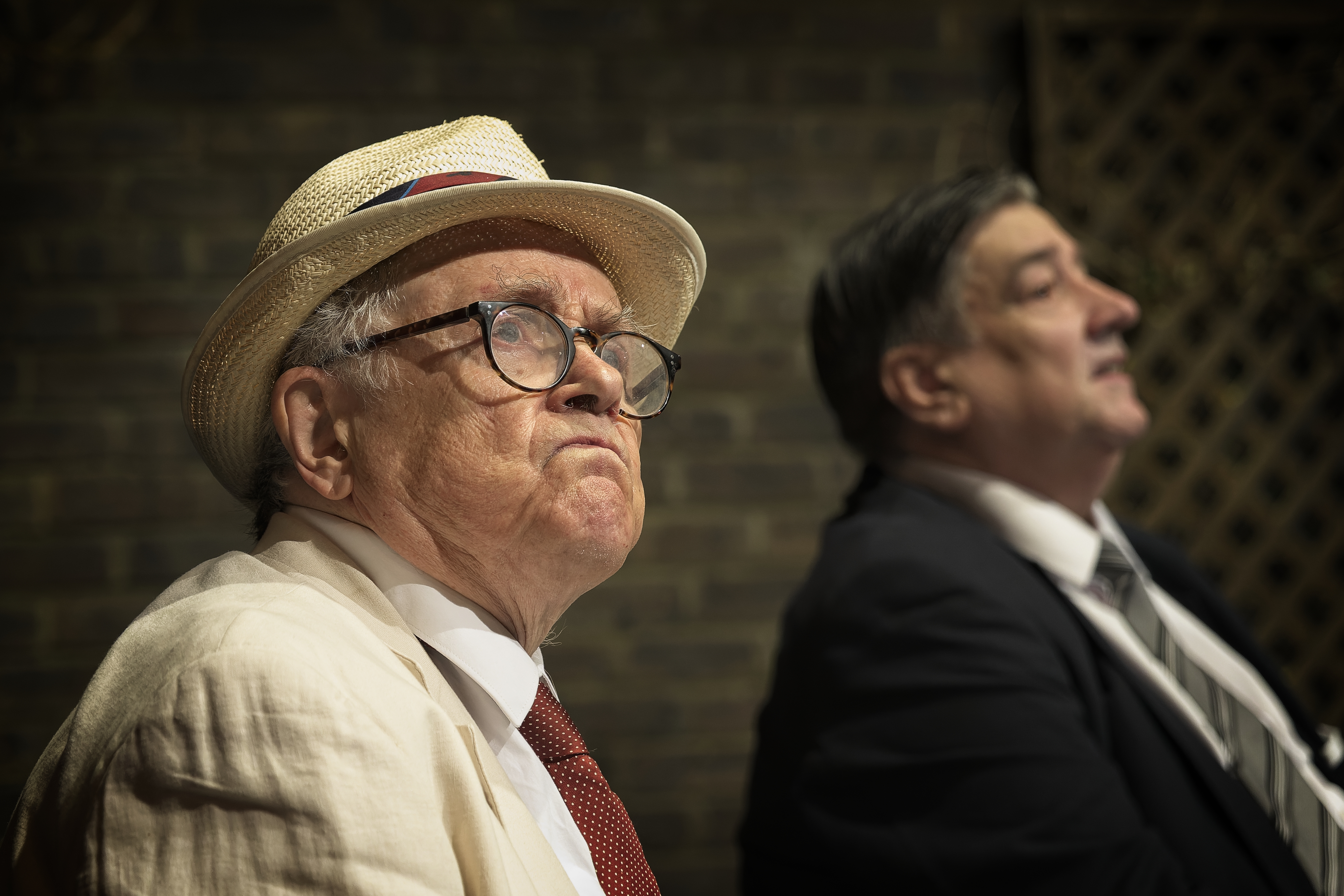
Been very quiet here, I know, and not a lot of time over the past several months for much photography. Aside, that is, from theatre photography – I’ve been doing rather a lot of that, which has been a lot of fun and got me to see some great plays I might otherwise have missed. A few rehearsal shots from recent months, including Talking Heads, The Incident Room, After Life, Separate Tables and Home. Click on the individual photos and you should be able to see them larger:
Looking forward to more to come over the new season after the Summer, and already booked next week to take some early photos of a production of Michael Palin’s play “The Weekend” (yes, the same Michael Palin). That’ll be followed later in the Autumn by an exciting production of Windrush Generations to make Black History Month, both of these at St Alban’s Abbey Theatre.
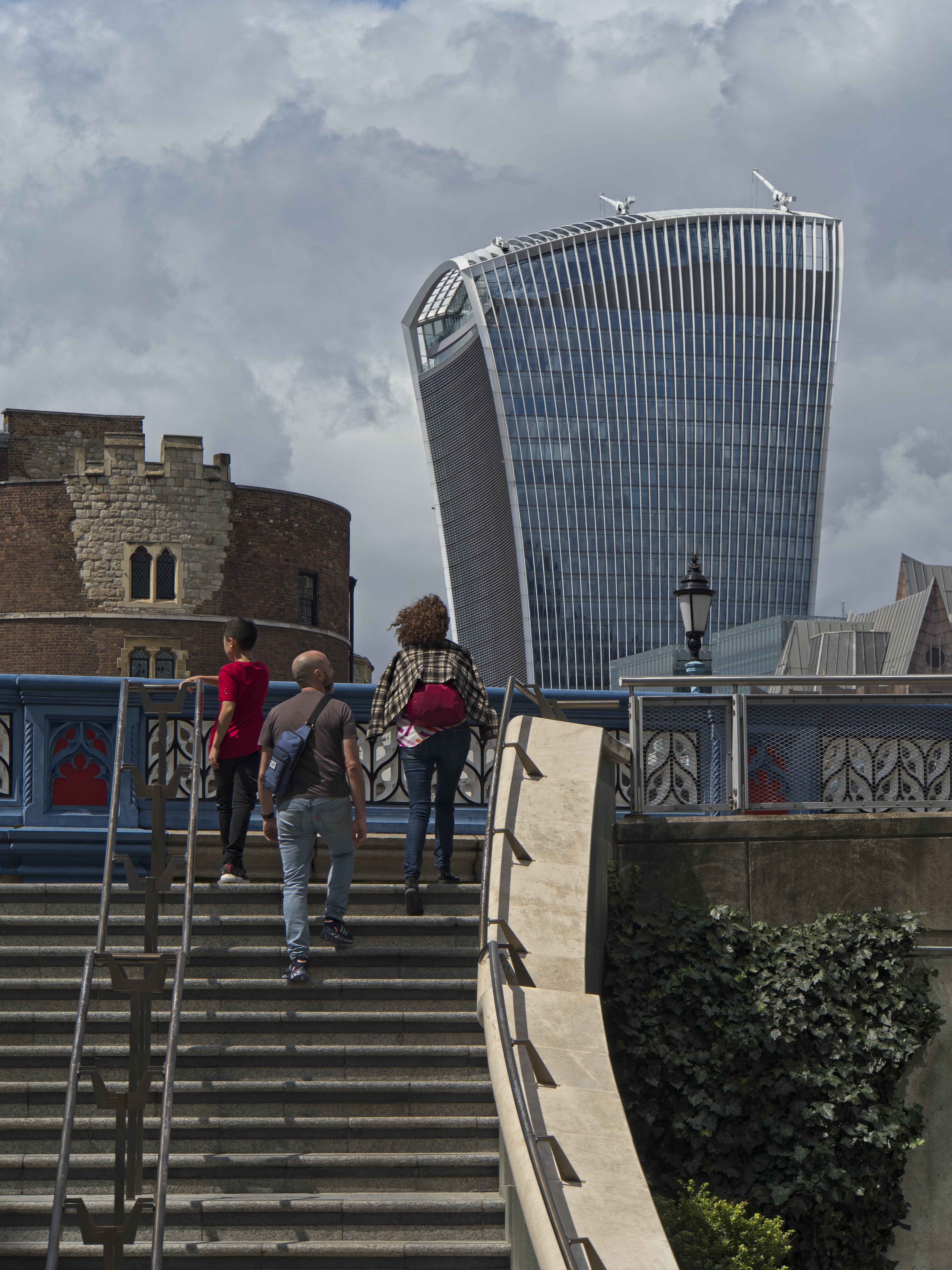
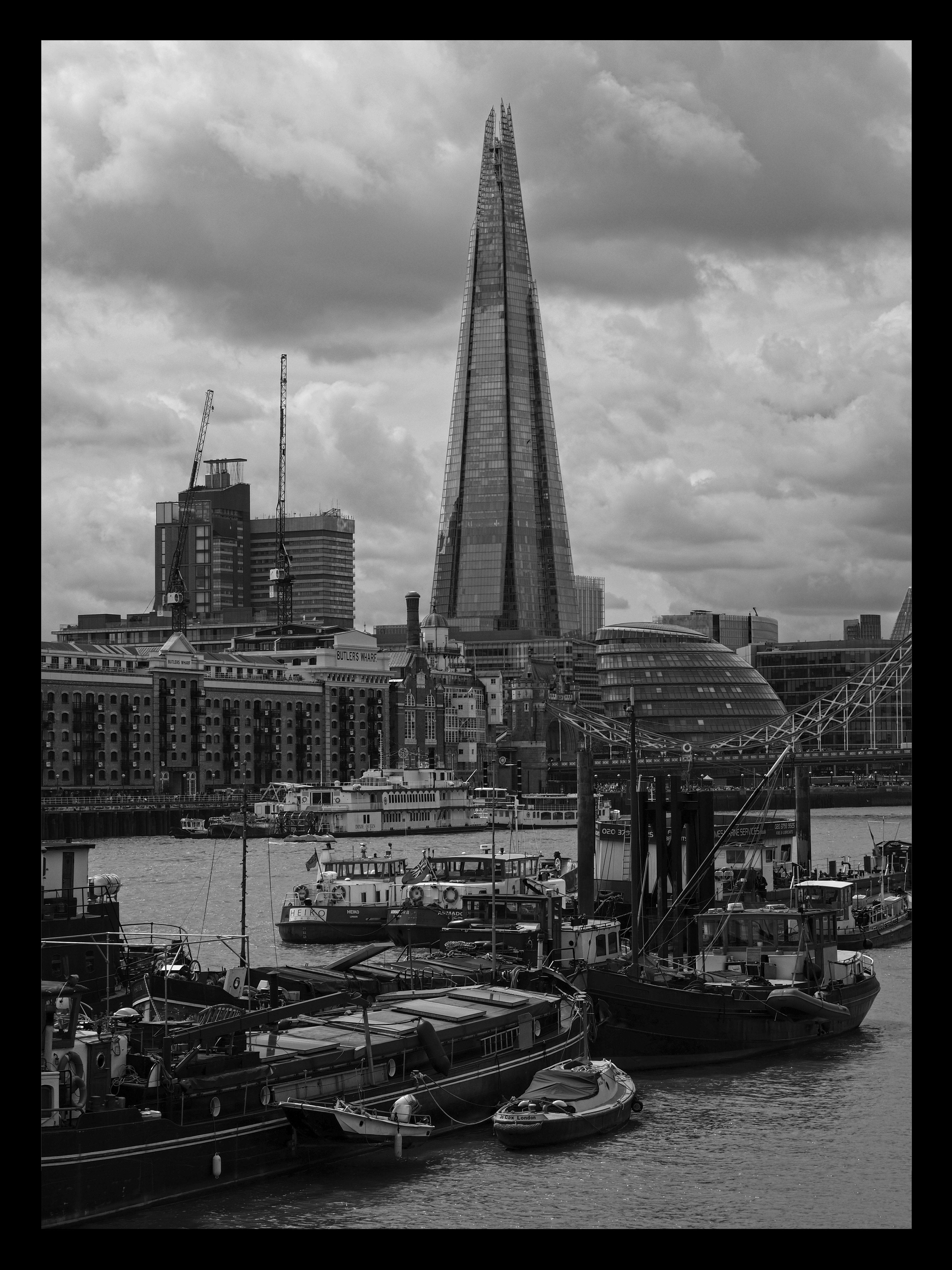
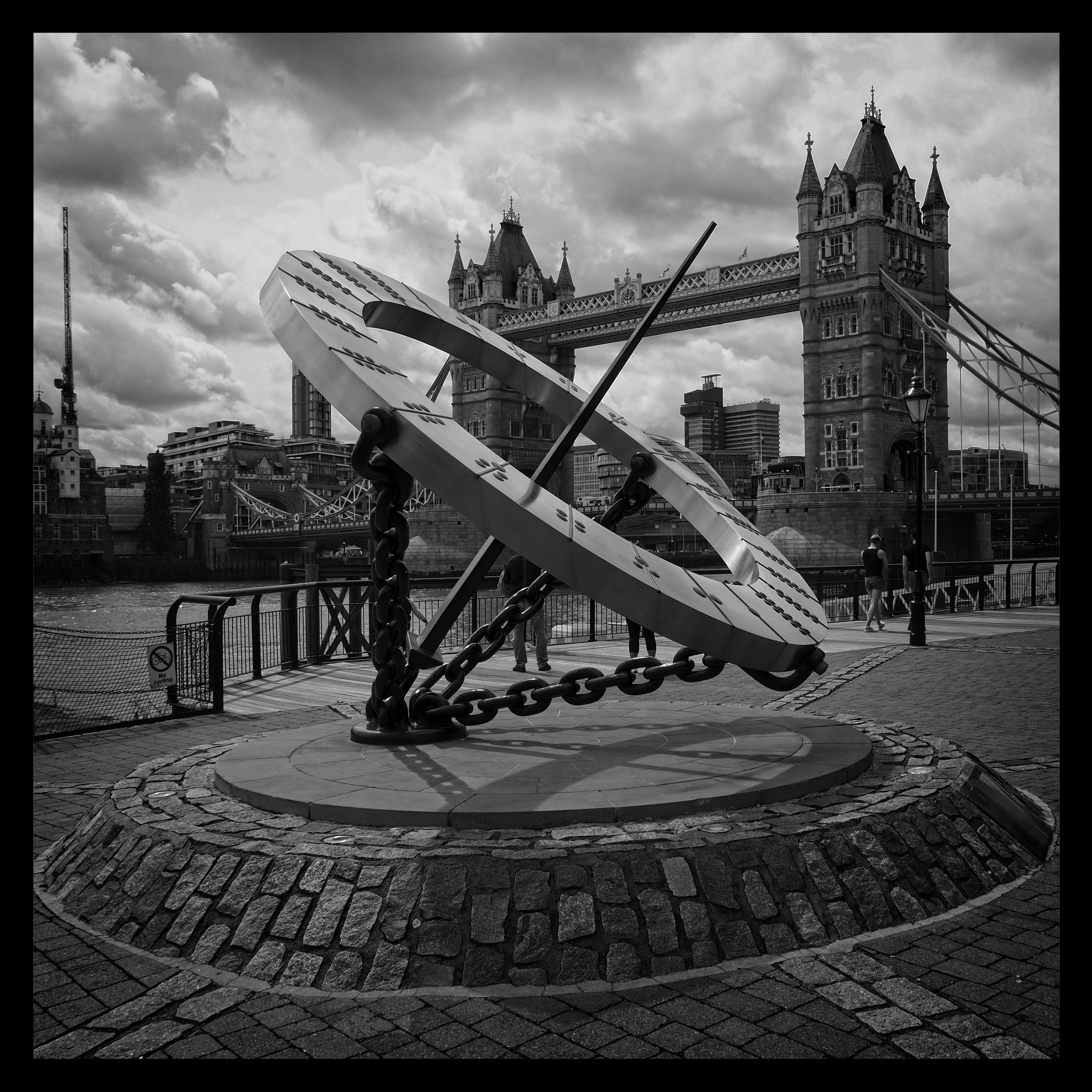
Aside from theatre photography, I enjoyed cohosting a photowalk along the bank of the Thames recently; instead of doing the usual route around the South Bank between Tower Bridge and Waterloo, we wandered from Tower Bridge through St Katherine’s Dock and out via Wapping to Canary Wharf – some great views looking back towards the City. A few shots from that afternoon:
And to finish from the same day, my favourite shot from recent months – I knew this would be the best one I took that day as soon as I looked at the back of the camera:
Travelling soon, so hopefully some more good material to put up here before too long. Thanks for looking, and for persevering if you got all the way to the bottom of this post!
There are occasions when you visit new places and, however nice they are, you don’t really feel a great need to go back.
On the other hand, there are those times when you know almost instantly that you would happy to return. We’ve just been to one of those places, a real surprise as I knew relatively little about it before we arrived, had been curious to see what it was like and yet was also a little concerned that it might be a bit, well, boring.
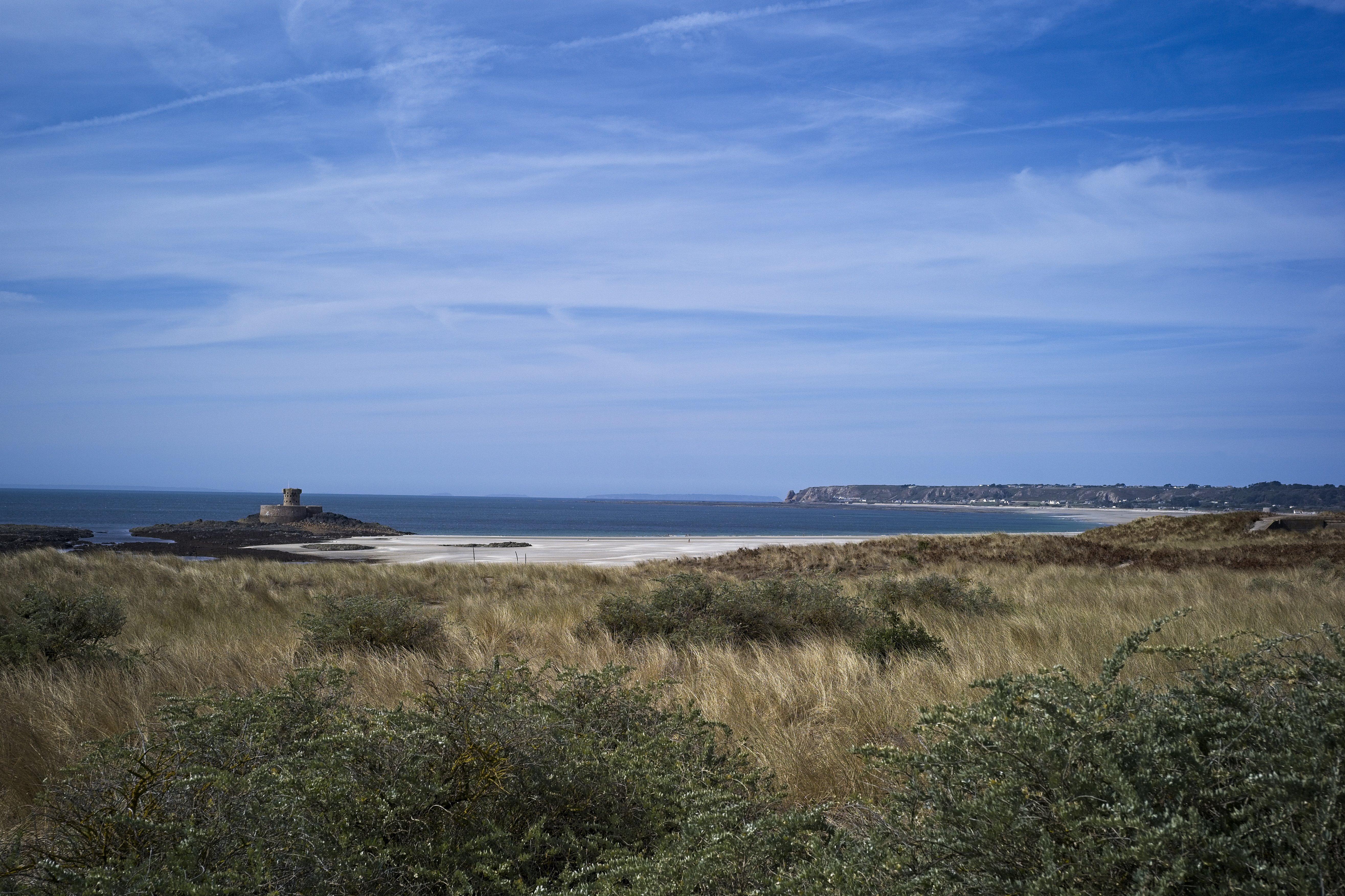
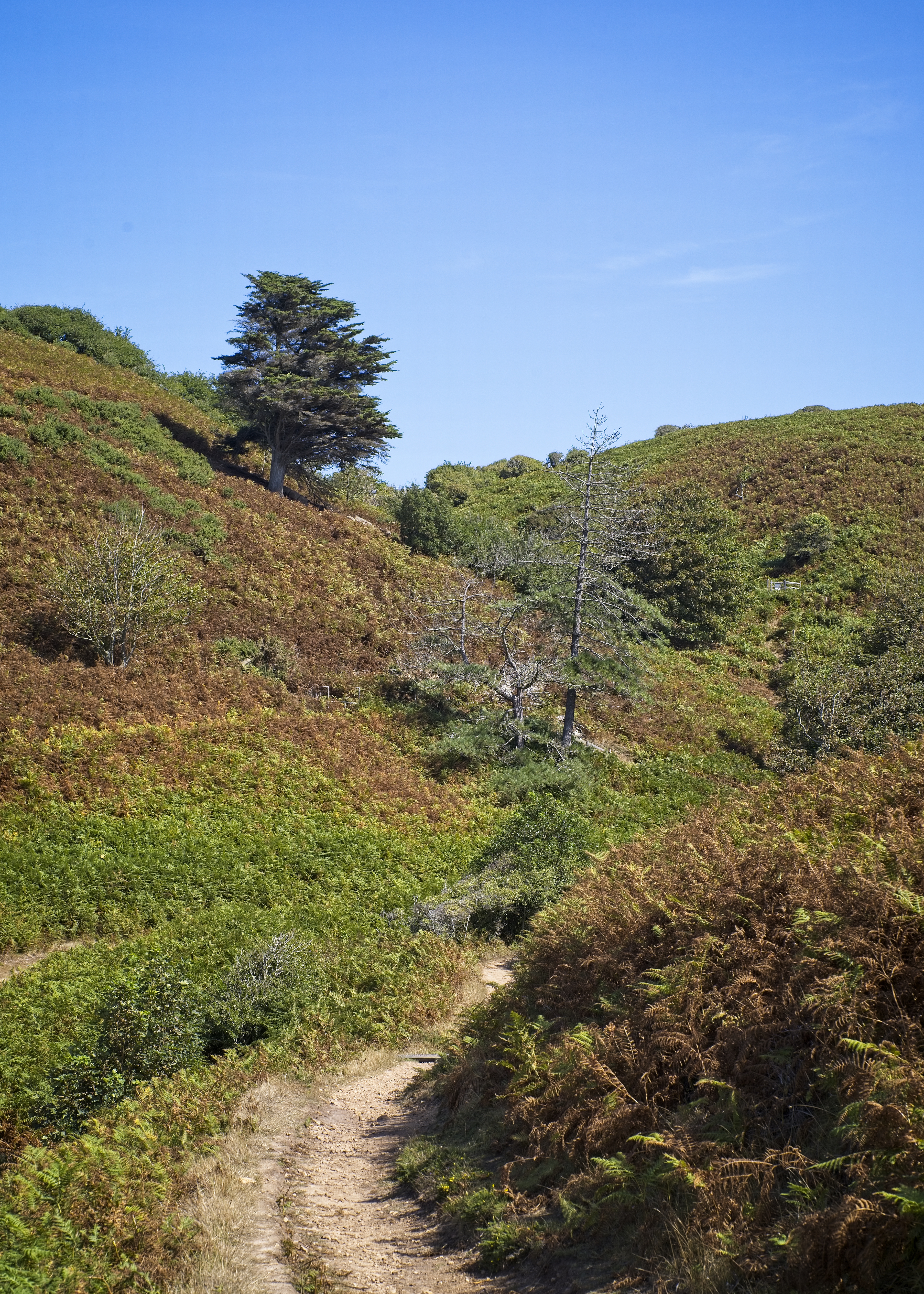
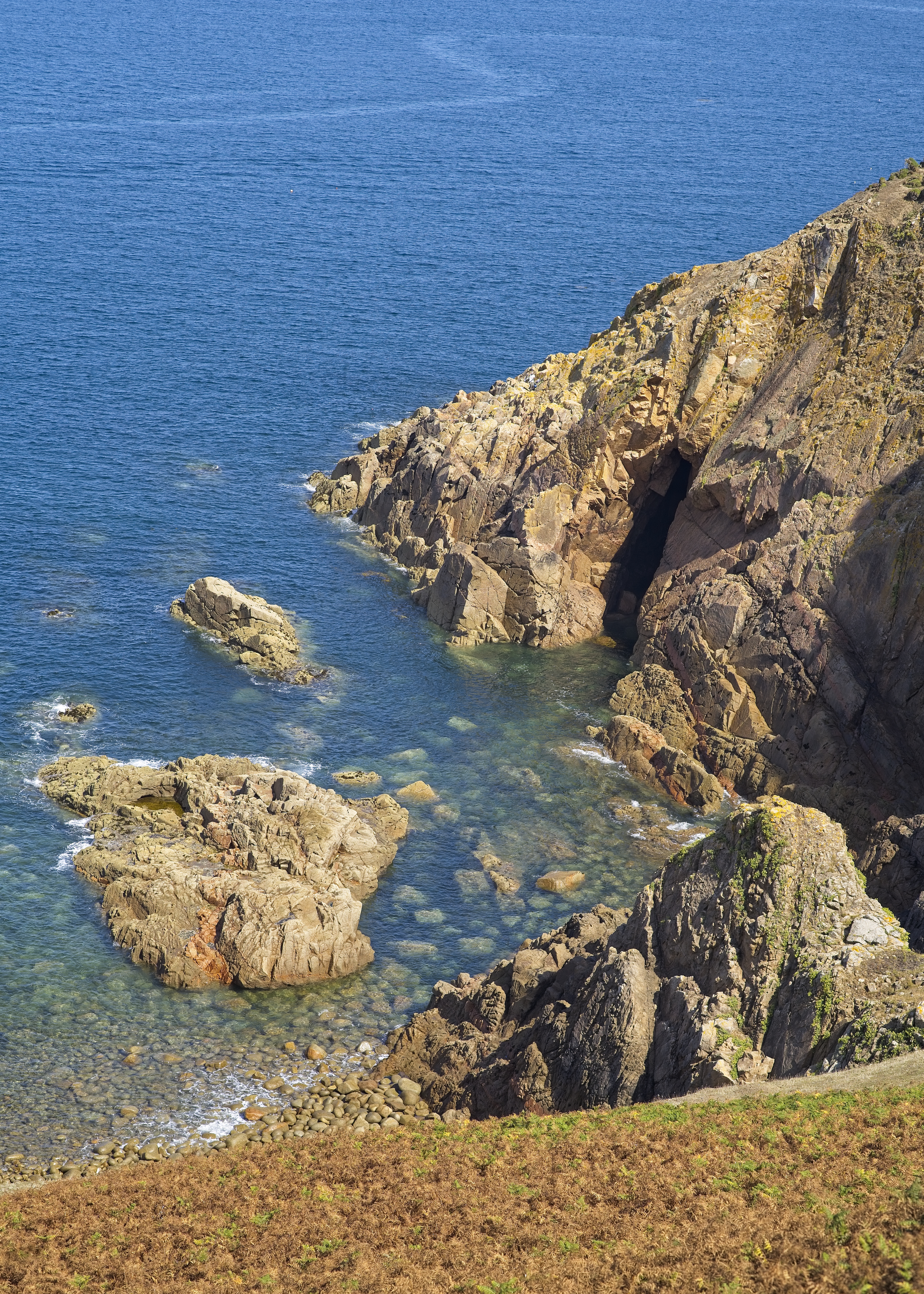
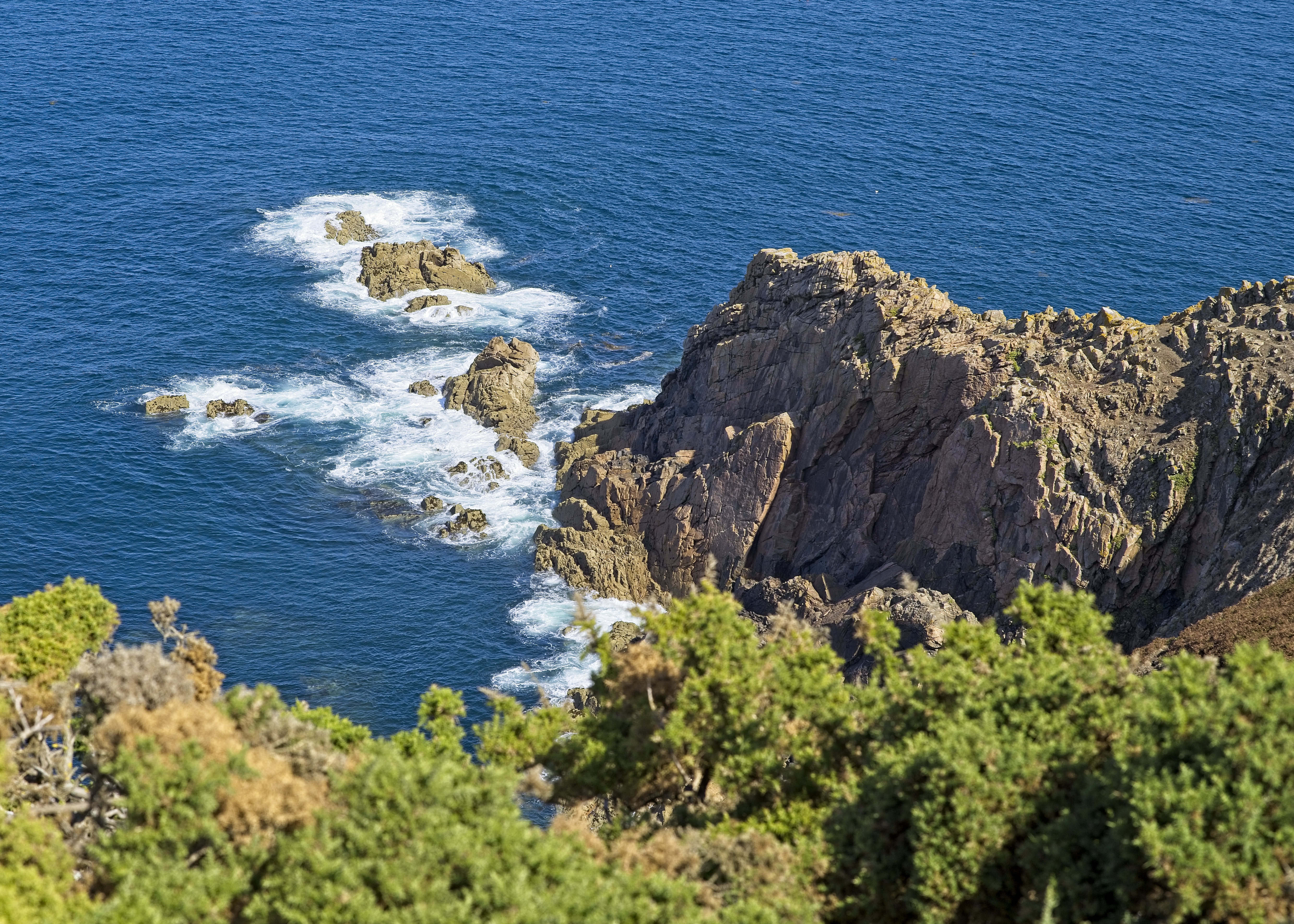
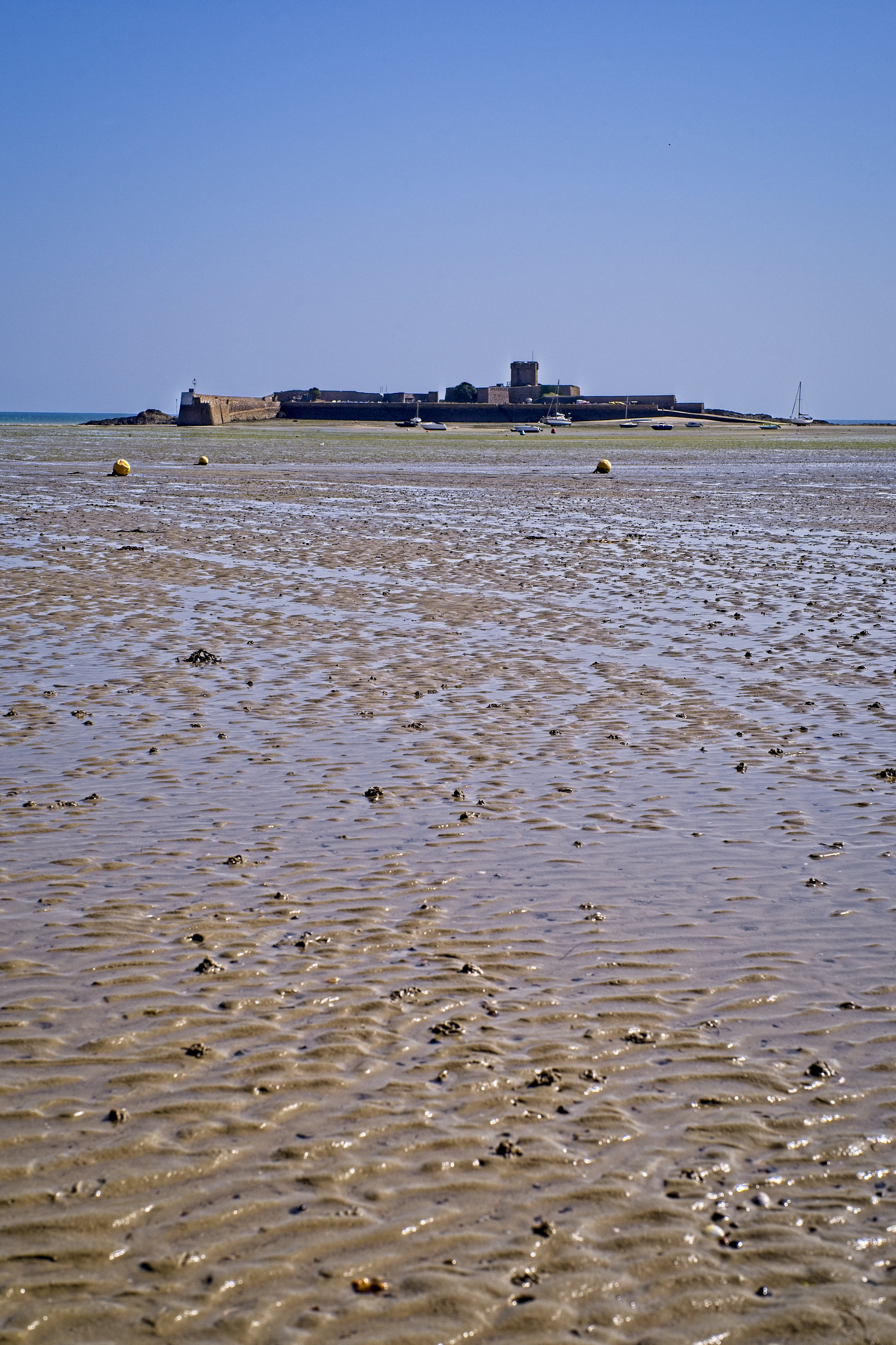
How wrong I was! Jersey turned out to be an absolute jewel; a beautiful little island with fantastic scenery, some of the nicest (and emptiest) beaches I’ve ever seen, and glorious views around every corner.
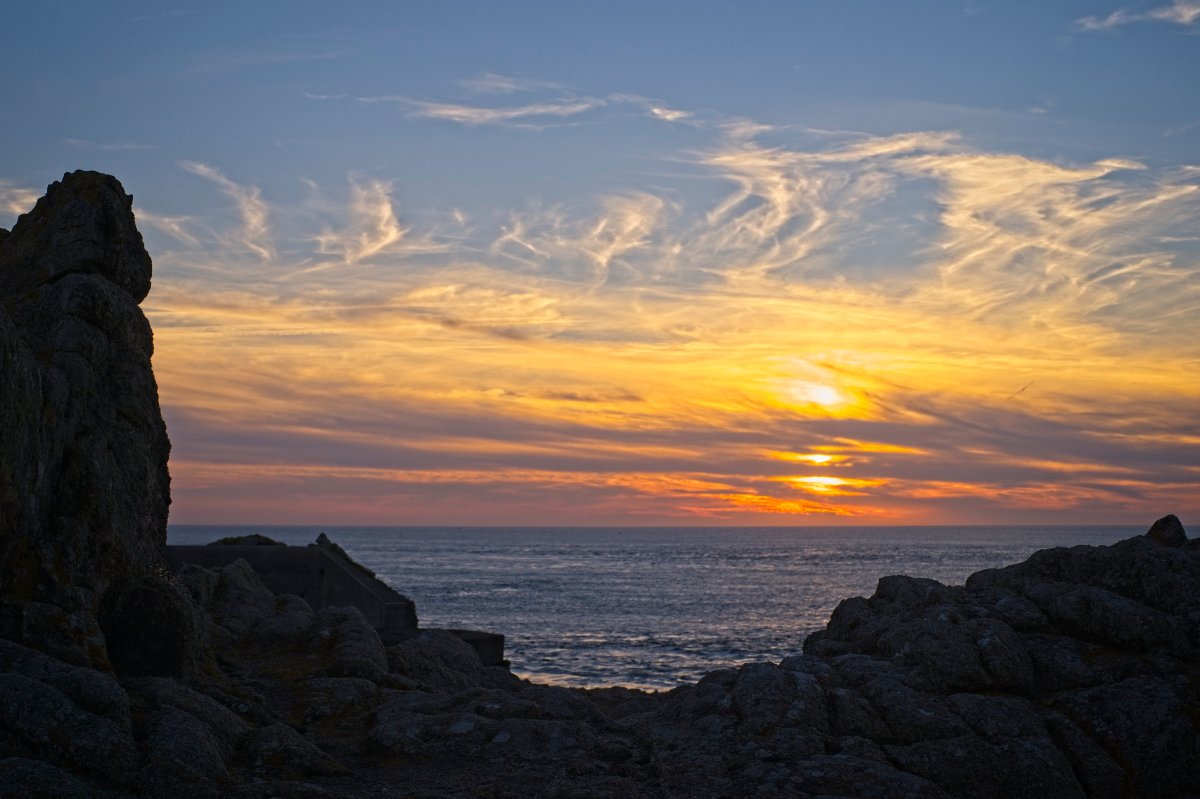
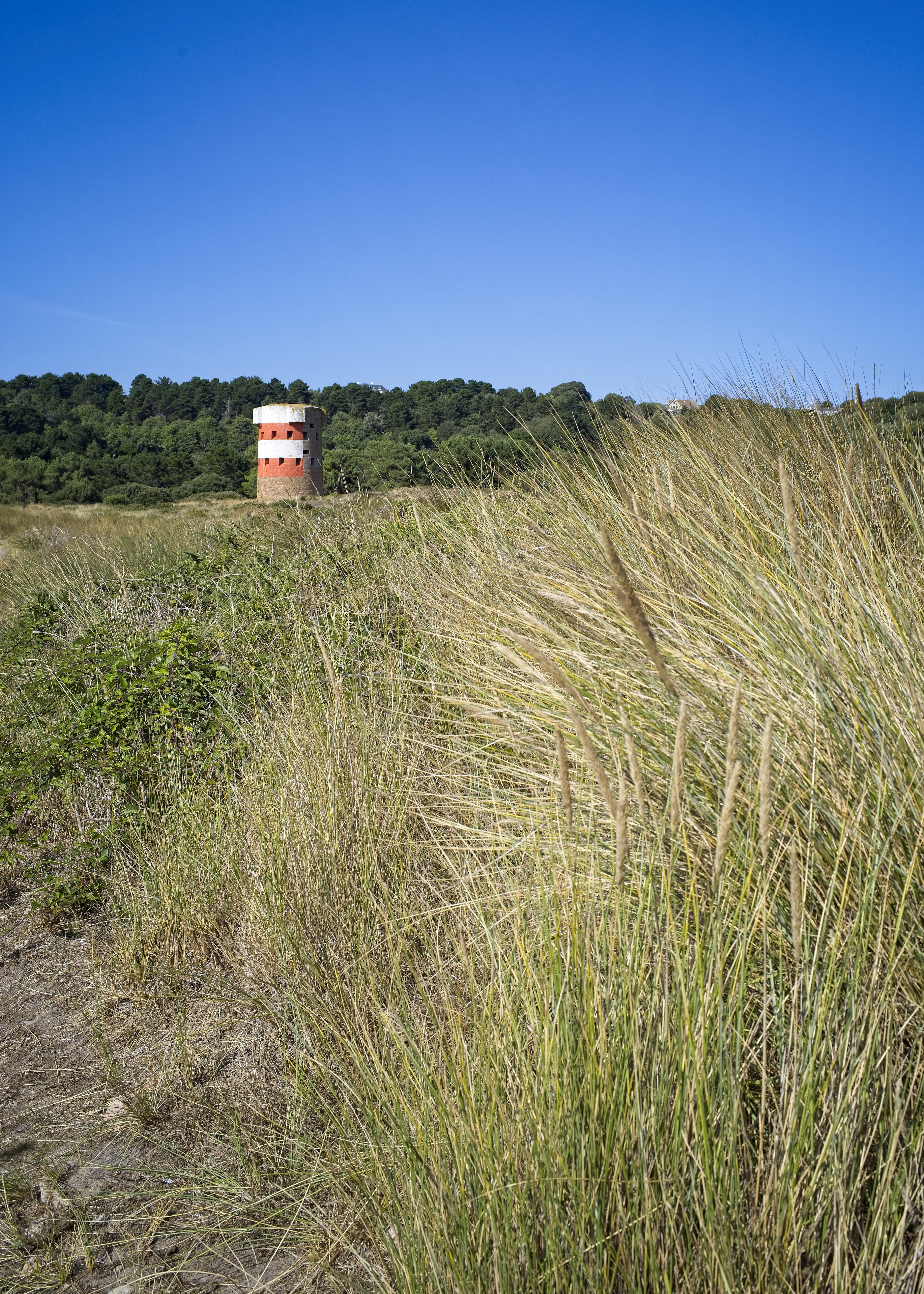
It helped that the weather was fabulous so we spent our whole time outside. Clifftop walks, wanders around little seaside towns and time on the beach filled most of our days, plus a very interesting visit to the Tunnel Museum which tells the story of Jersey’s occupation by the Germans during WWII (click the photos below to see them larger).
Jersey ended up being a very pleasant surprise. I have a feeling we’ll be back for more.
Some of the earliest posts on this blog related to what was even in those days a “digital dinosaur” – the Olympus E-1 which was the 5MP dSLR that kicked off the whole Four Thirds system. Fantastic colours from that Kodak sensor as long as the ISOs were kept low, and a camera that was built so well that it felt like you were making images with a photographic Rolex. Compared to the size of its sensor though, it was certainly huge – a digital T Rex perhaps.
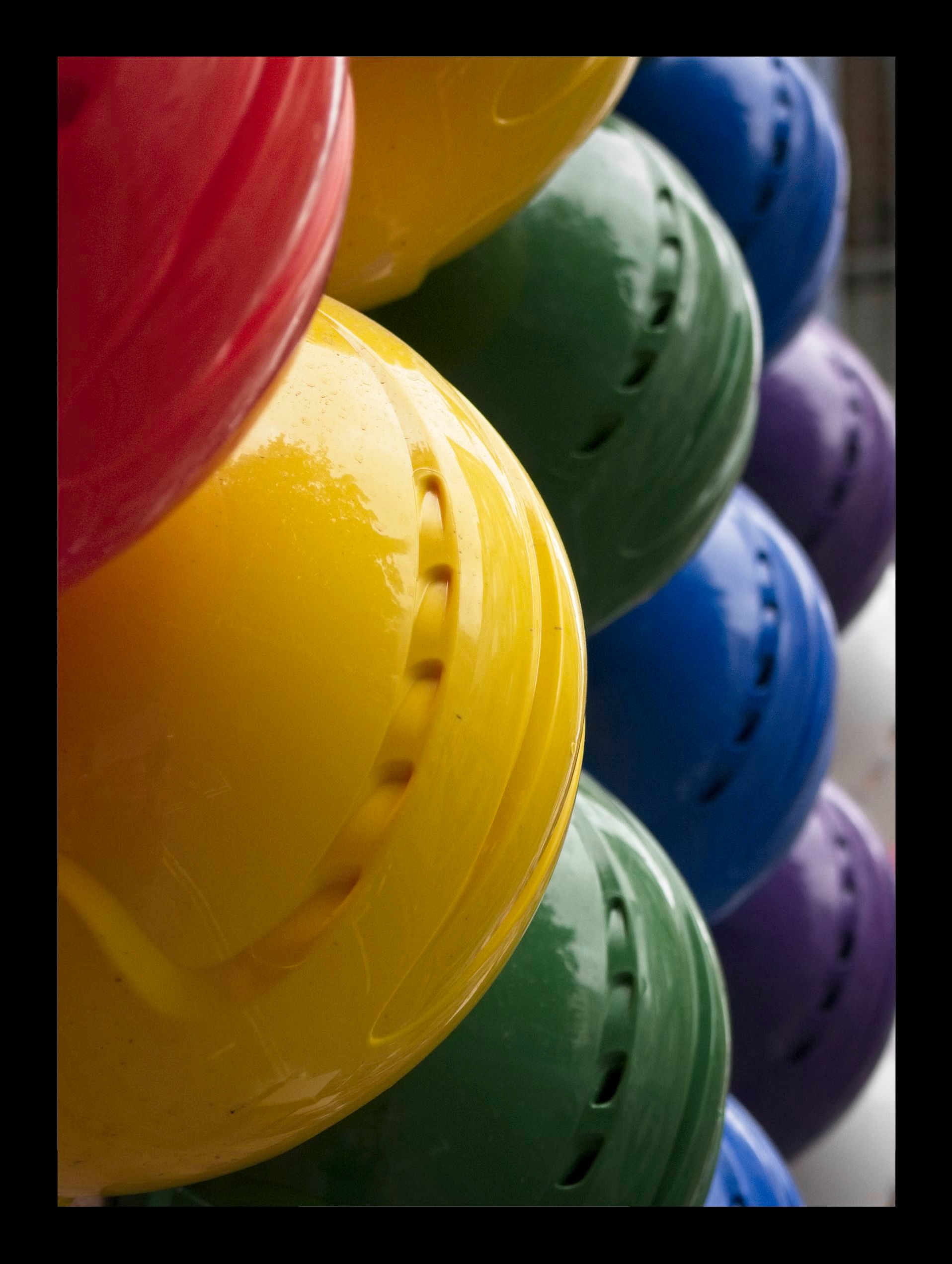
A pride of builders’ helmets near Soho Square
So, enter my “new” 5MP dinosaur – the Leica Digilux 2, purchased from eBay at a rather bargain price as it had lost its original packaging, manuals and most of the cables it came with through the years; it also needed a new battery as the original was no longer holding any charge. Lots of years have passed by too – this camera was launched in 2003 which really makes it antediluvian in electronic terms. It was, however, also written of by Amateur Photographer as the first, and perhaps only, truly classic digital camera.
Grain store in Hertford
Smaller than the E-1, the Digilux looks similar to a classic Leica rangefinder but has a lovely f2-2.4 28-90 (35mm equiv) standard zoom lens permanently attached. It has an EVF which does the job but is laughably small by modern standards, goes all the way up to ISO400 if you dare, and takes 6 seconds to save a single raw image. So it’s definitely not a speed demon, but the quality you can get out of that lens and the colours from an old CCD sensor (and, for that matter, the quality of the black and white files you can get) are lovely.
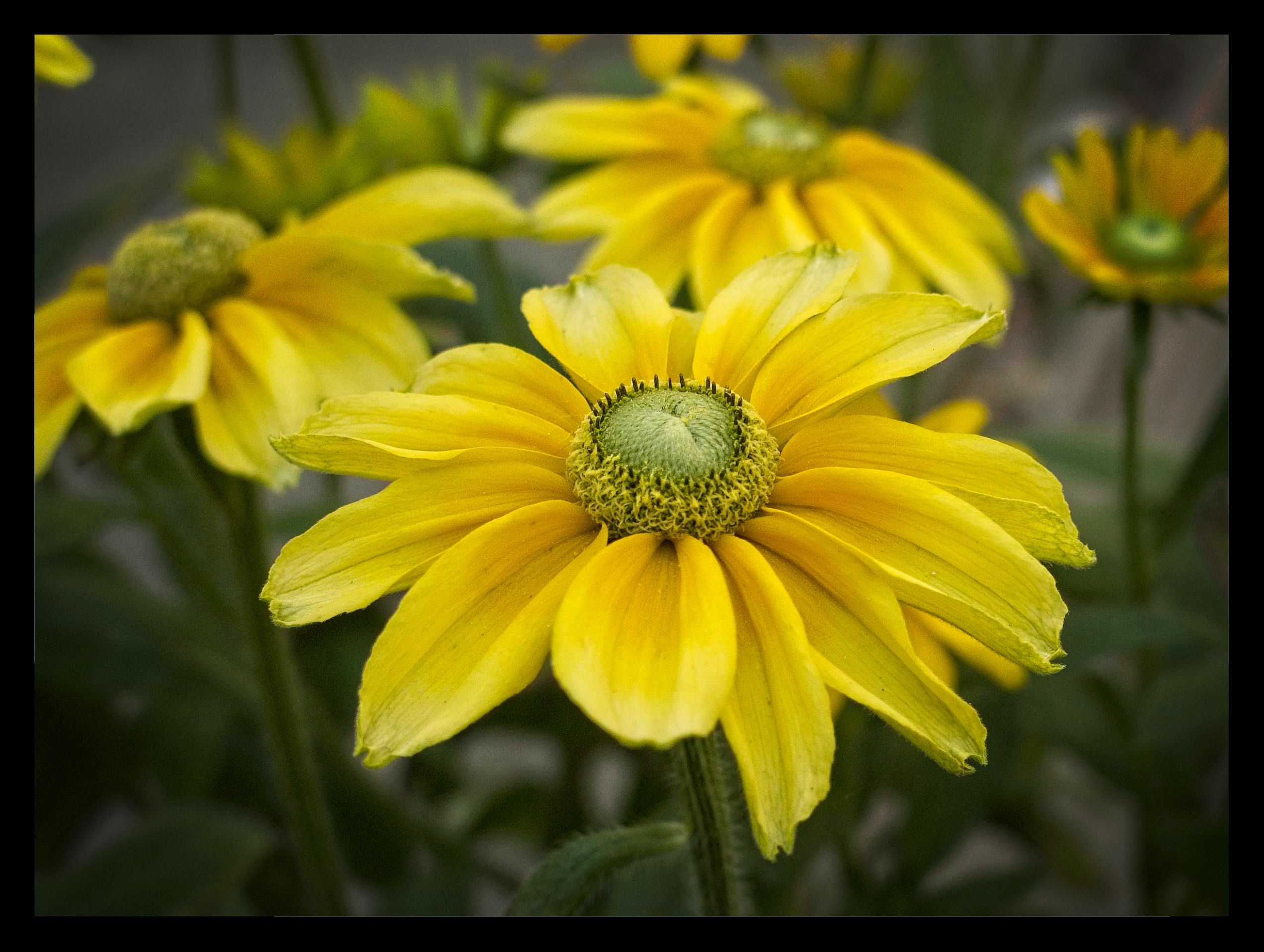
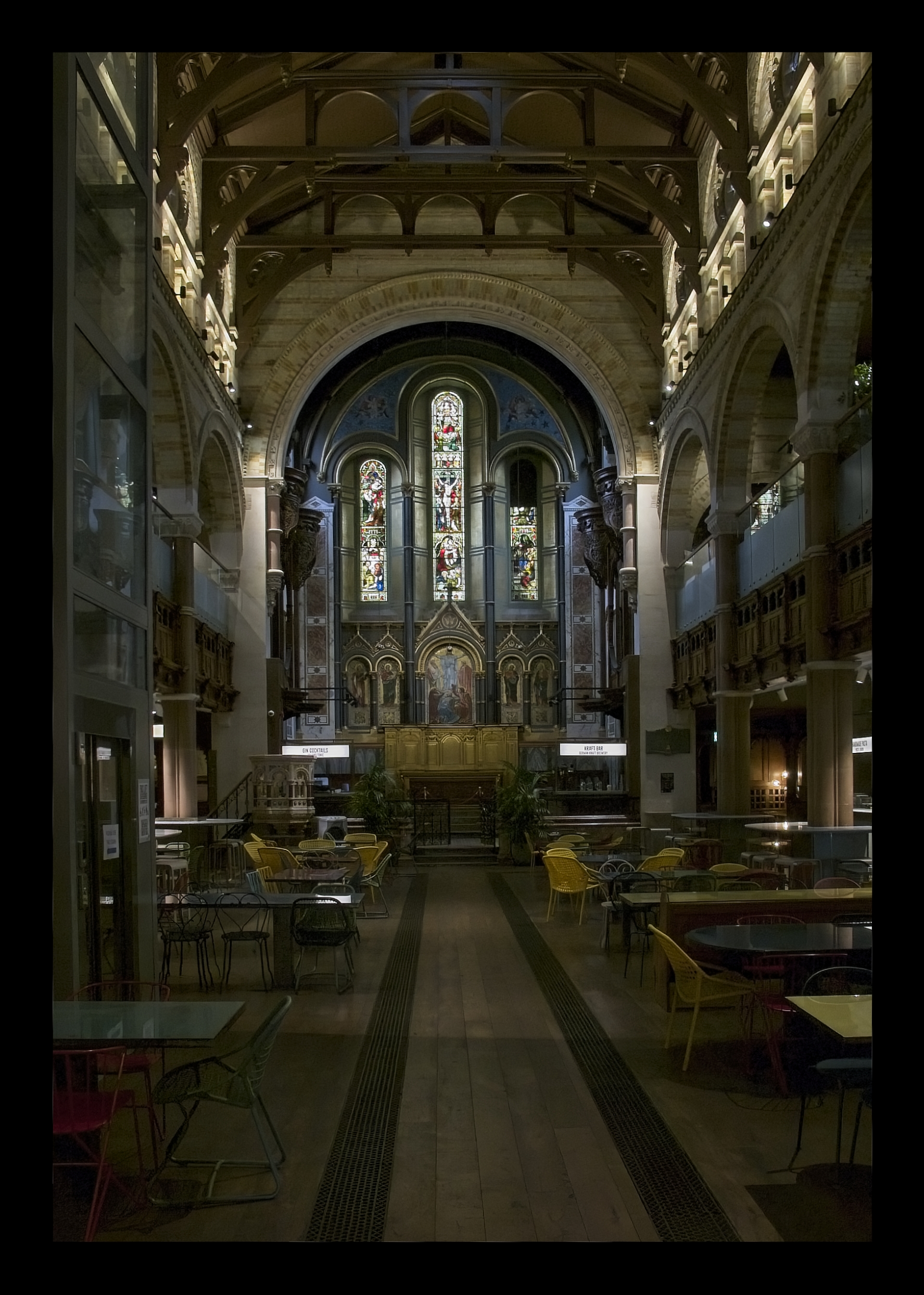
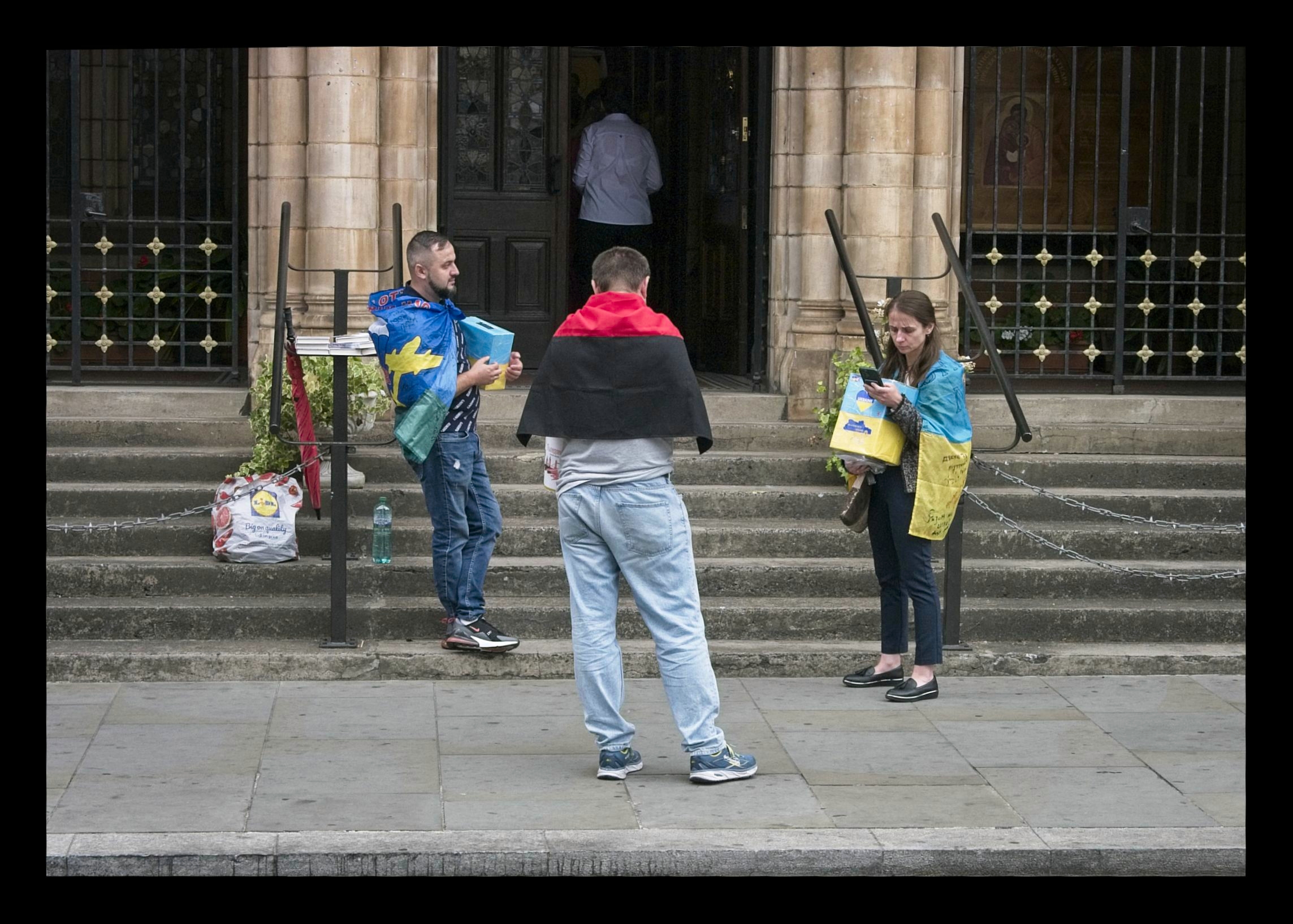
Drought survivor in the back gardenMayfair MercatoThe Ukrainian Church in central London
Modern processing software helps too – ISO400 raw files are now usable in a way they wouldn’t have been years ago, and modern resizing means that sensible sized prints are easily within reach.
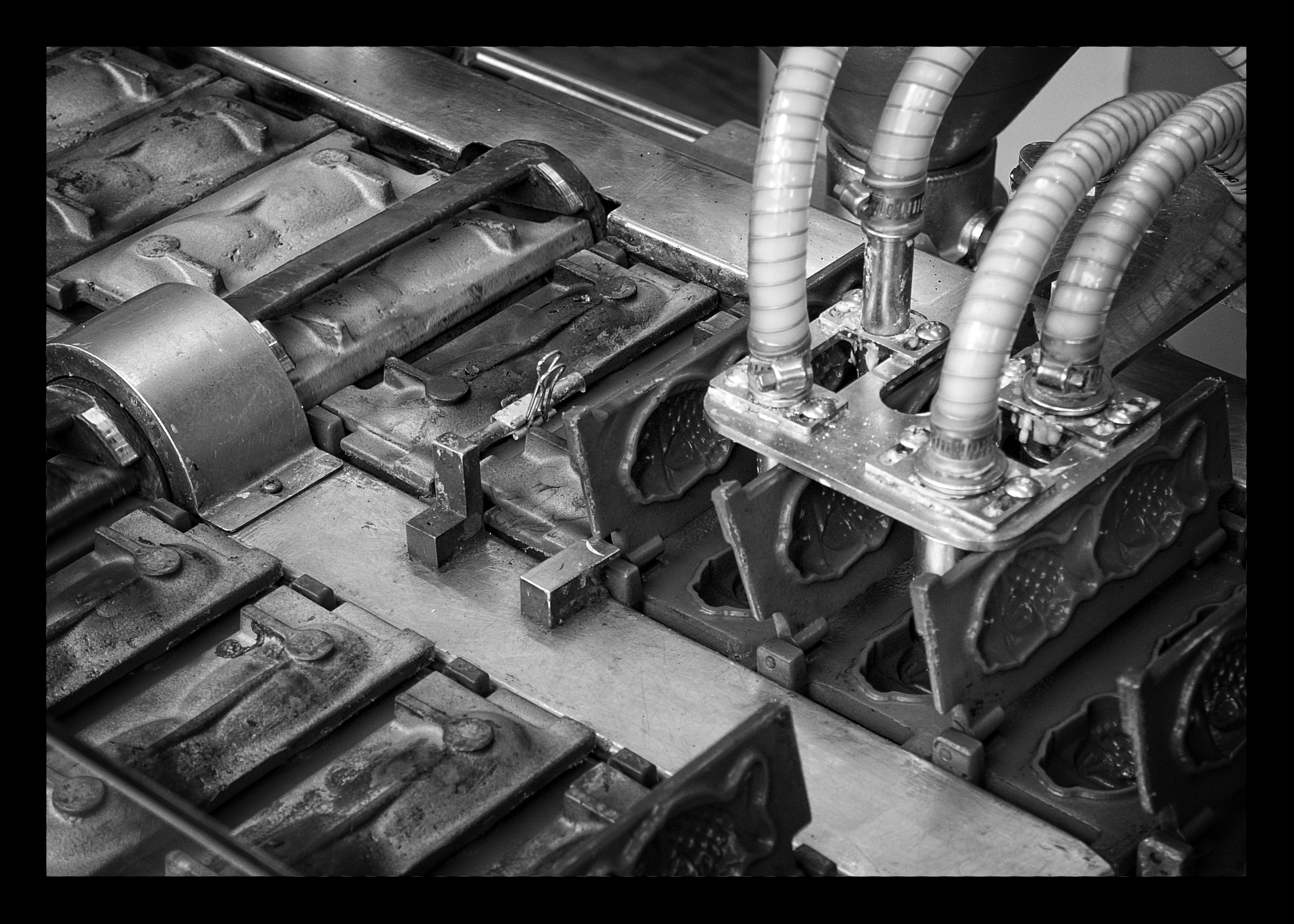
Chinatown cookie shopCoffee time – if you view this image full size there is a lot of detail in that lace dress, even from an old 5MP sensor
For people who grew up with film, this camera is an uncomplicated revelation compared to most modern kit – it has a shutter speed dial and aperture ring which you can set as required when the camera is switched off, a proper zoom ring and a real focus ring – not the usual focus by wire that you get with most modern mirrorless cameras. It’s a tactile experience and, as you have to slow down to use it, I reckon the keeper rate increases. Realistically it’s not an obvious everyday camera because its speed of operation is, well, almost non-existant. But it’s a very enjoyable Sunday driver.
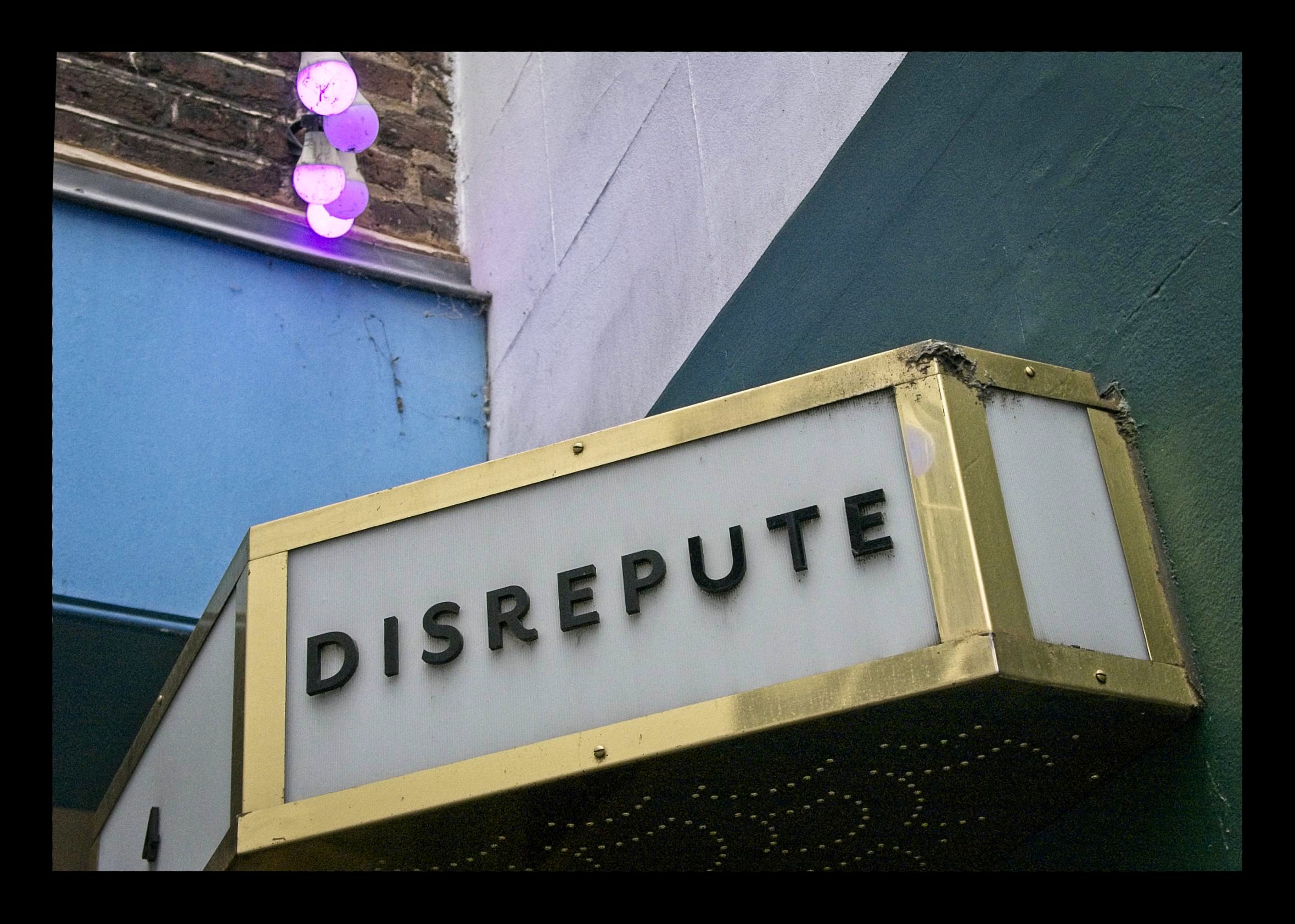
St Pancras Station – love the colour in the evening lightClub near Carnaby Street
So, if the E-1 is a T-Rex, I think the Digilux is definitely a dinosaur too, but in reality a medium sized dinosaur. And that leaves me with a problem….
Because there aren’t really any fossil records of medium sized dinosaurs. The theory is that juvenile giant dinosaurs outcompeted the medium species so they quickly left the food chain. And in a funny sort of way, I think that is what happened to the Digilux 2 – smaller cameras clearly differentiated from the large professional rigs came along that could do much of what the D2 could do in a more compact form, and the larger dinosaurs, in the form of the emerging digital SLRs, took the market share for people wanting the highest image quality and lots of control. Which is a shame – this camera and lens are crying out for a more modern sensor and faster processor, but evolution has left it behind as an almost one-of-a-kind, but one which is well worth seeking out if you can find one at the right price, and has quite the following from those who know.
Unremarkable but here it is; photo from today’s New Year’s Eve afternoon walk in the local fields between Radlett and Letchmore Heath. Here’s hoping that 2022 is a big improvement on its predecessor!
Happy New Year – and I’ll post another photo from here if we get snow over the coming weeks….
What a year it has, and hasn’t, been…. Certainly the photo-mojo has not been at the forefront as Covid continued to be the dominating theme of the year both at and away from work. I’m cautiously optimistic things might perhaps just be starting to get better and that Omicron might even mark a move towards more transmissible but hopefully increasingly less dangerous variants, which oddly could be just what we need to emerge out of this ongoing mess.
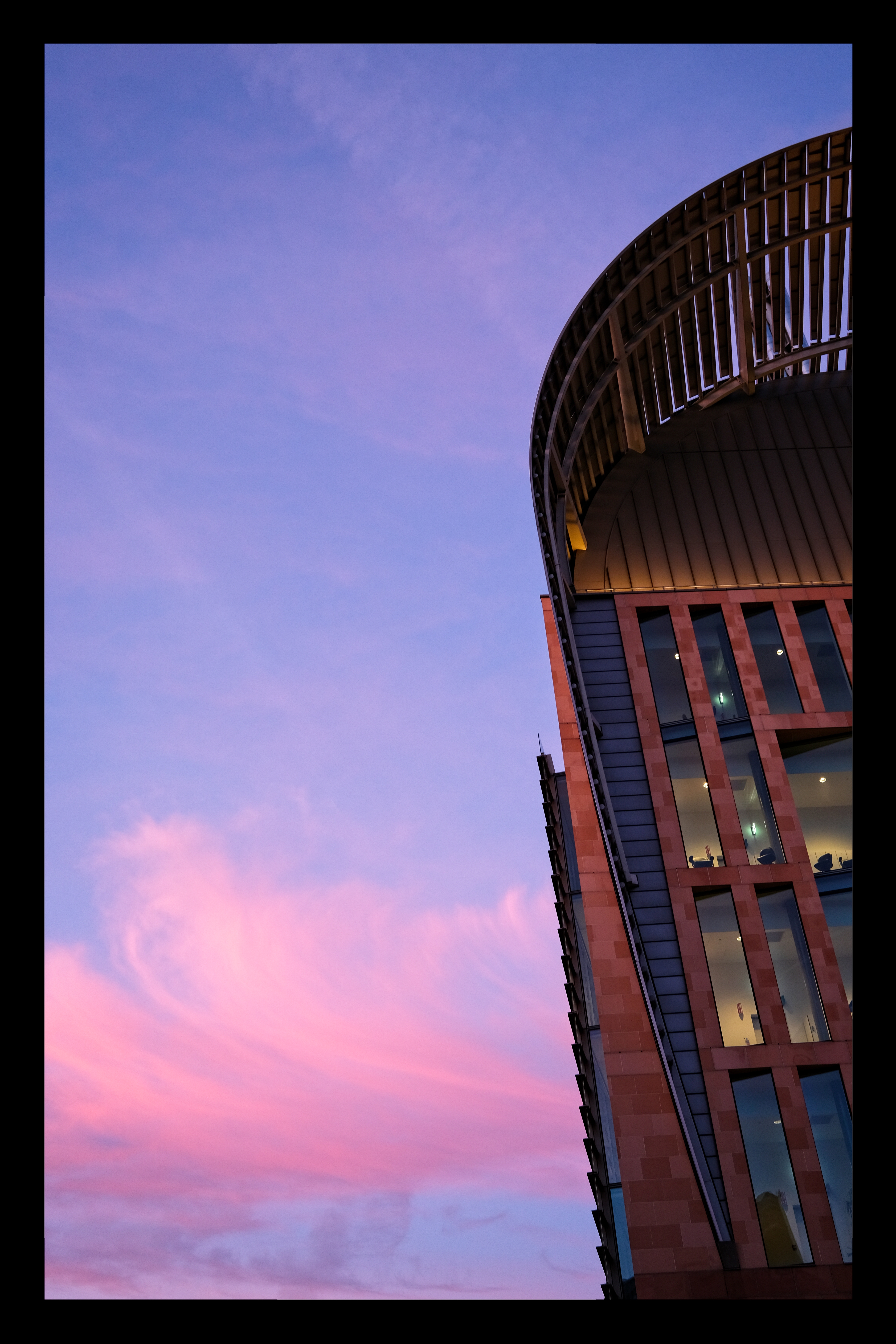
In the meantime, there were still some lovely moments – such as the featured photo above of a typical British summer afternoon (windy) at Hunstanton beach on the North Norfolk coast. Also some nice scenes to and from work in London recently, such as this one as I emerged from St Pancras station on the way to work – this is the Crick Institute in lovely morning light:
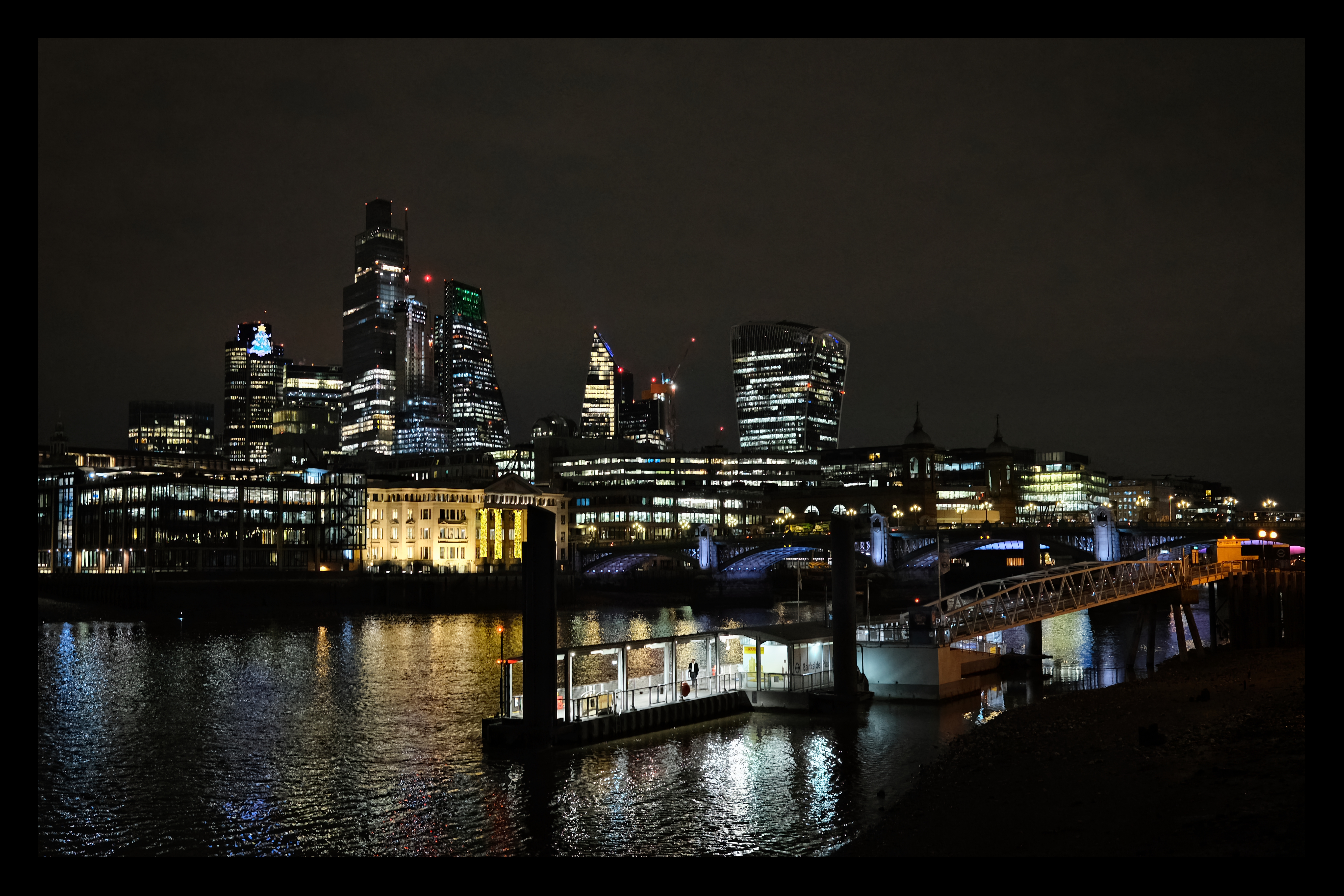
The same evening, I walked through an eerily quiet city on my way to the South Bank and caught my first sight of the city lights from Thames for really quite some time:
Let’s hope 2022 turns out to be a good year of renewal. Although it had its highlights, I’ll be largely happy to see the back of 2021 and hope that anyone still reading this has a much better year to come!
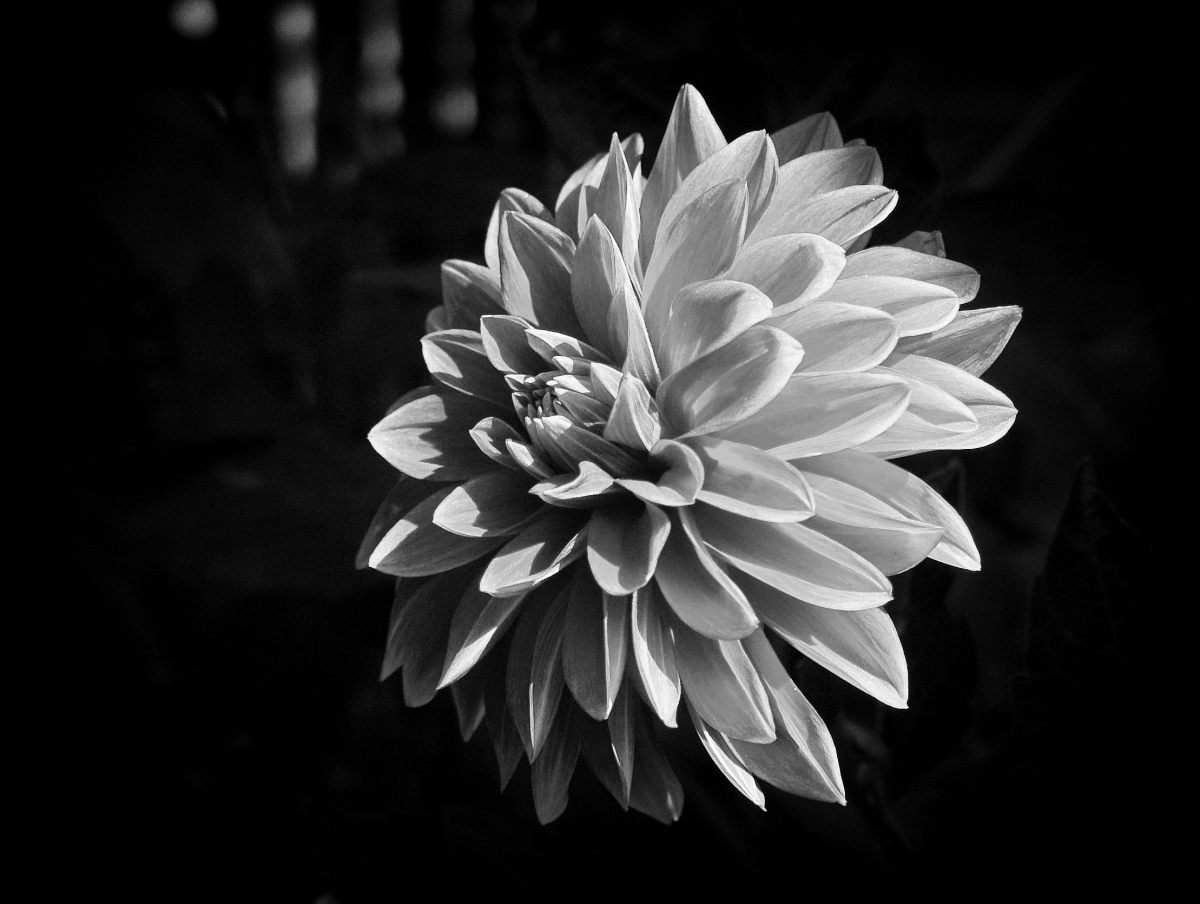
Or more or less a decade, since I submitted photographs for inclusion in the Ricoh Pentax Photo Gallery. Pleased to have a couple taken recently in my back garden accepted and now up there, and hoping to get some more published in the future – which does rather mean I need to get out there and use the camera more…..

























 The Photographer's Block